
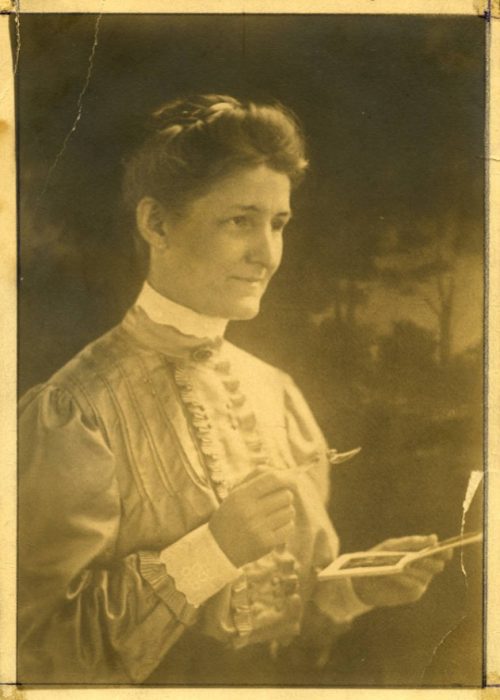
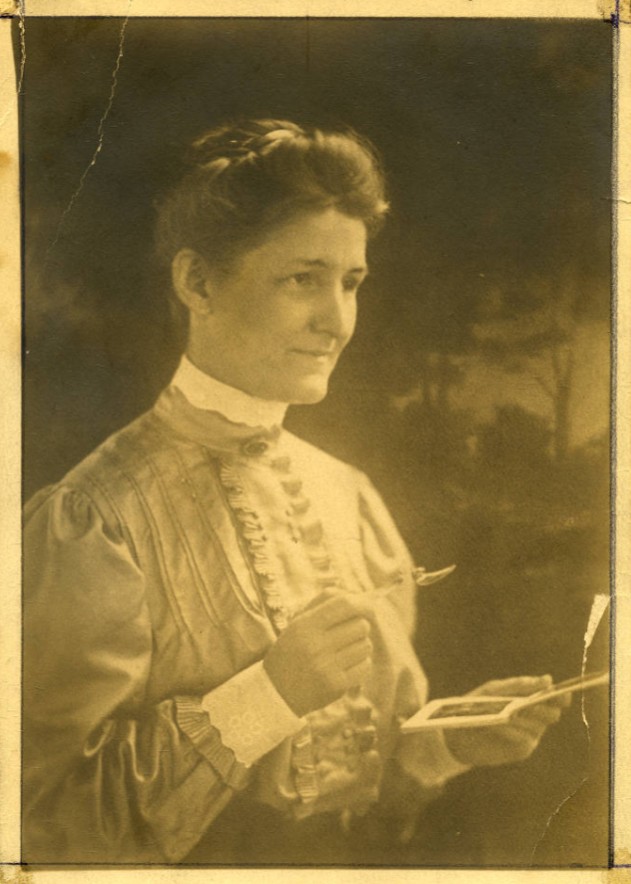
![Mary Hancock McLean, date unknown [Young Women's Christian Association-St. Louis Records (S0343), SHSMO]](https://historicmissourians.shsmo.org/wp-content/uploads/2026/03/MHM-Headshot-270x375.jpg "MHM Headshot")
Mary Hancock McLean
Introduction
Mary Hancock McLean was a medical doctor from Washington, Missouri. She chose the same career as her father, a well-known local doctor, but went to St. Louis and spent nearly forty-five years there as one of the city’s leading physicians in women’s health.
Early Life
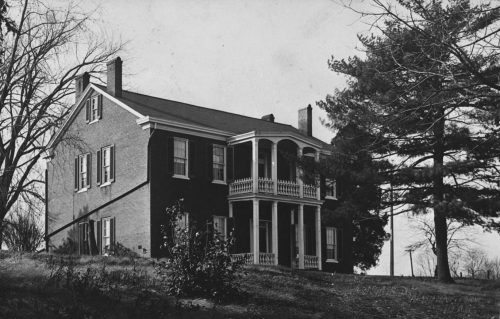
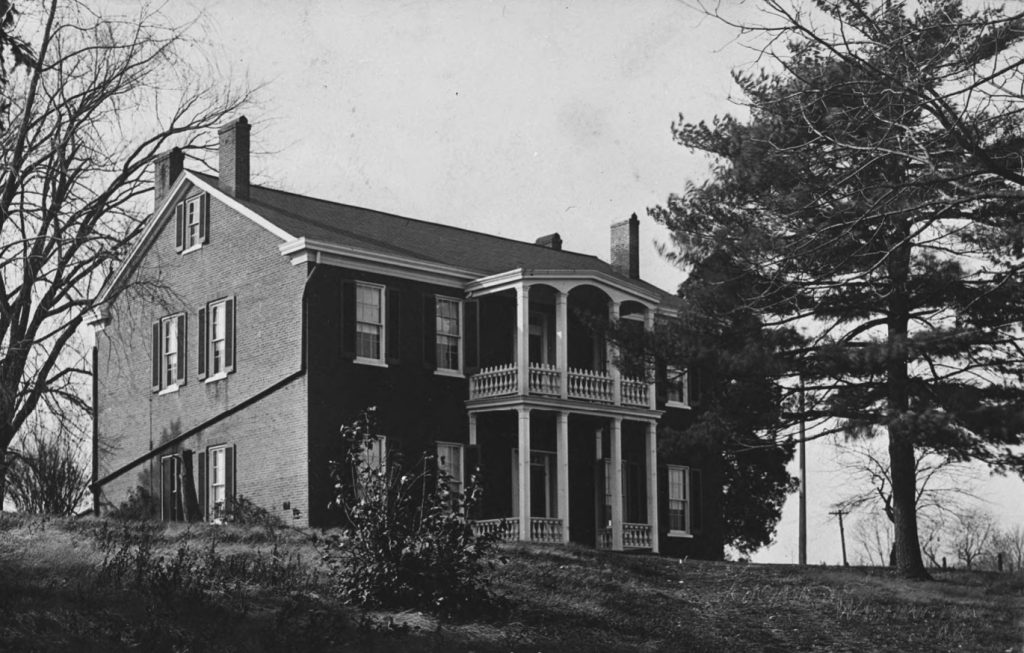
Mary Hancock McLean was born in Washington, Missouri, on February 28, 1861, to Elijah McLean and Mary Stafford. Originally from Kentucky, her father was a doctor in Washington who had served in the Missouri General Assembly for one term from 1831–1832 representing Franklin County. Her mother, whose family had moved to Missouri from North Carolina, had worked as a schoolteacher in Illinois and Missouri before her marriage to Mary’s father.
Education
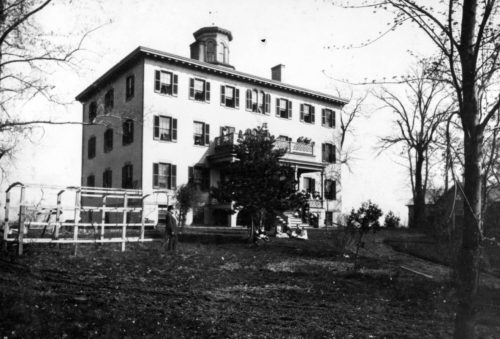
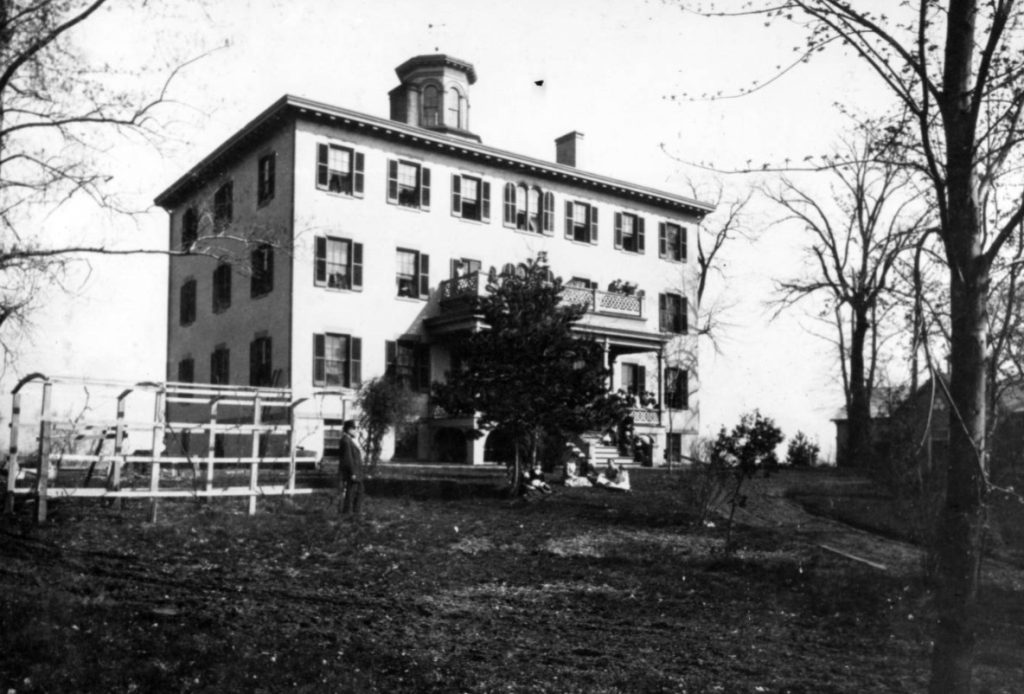
Growing up in Franklin County, Mary McLean received an education beyond what was available to most young women of her day. Her parents insisted that she receive a high-quality education. After working with a private tutor at home, she enrolled at Lindenwood College for Women (now Lindenwood University) in St. Charles, Missouri, at the age of thirteen. At seventeen, she graduated. After more tutoring, she went to Vassar College, an elite private college for women in New York, for two years.
While she focused on several areas of study while in school, including law and education, it is likely that becoming a doctor appealed to her because of her mother’s death. In 1871, her mother died of cancer. In the early 1880s Mary and her brother both enrolled in coursework at the University of Michigan. While her brother did not complete his studies, Mary earned a medical degree in 1883.
Female Hospital
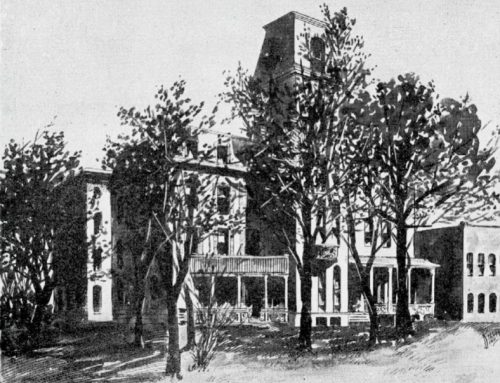
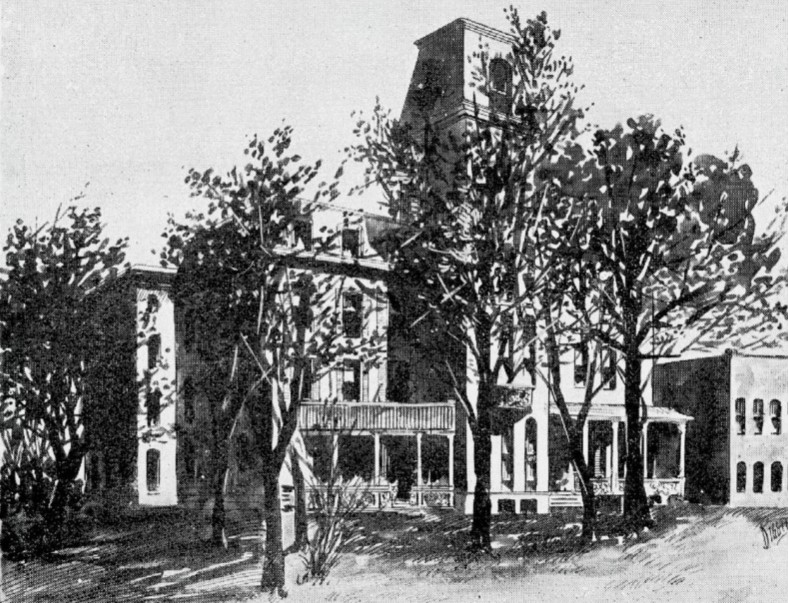
Though it was not uncommon for women to study medicine and become doctors in the 1880s, their chances of being hired by a hospital or medical facility were not good. But when she returned to Missouri in 1884, McLean managed to become an intern at the Female Hospital in St. Louis, which later became part of the St. Louis City Hospital.
Opened in 1872, Female Hospital was the city’s primary medical facility for the care and treatment of women. While familiar with surgery as well as the fields of obstetrics (delivering babies) and gynecology (women’s reproductive health), she still encountered a somewhat unfamiliar world as the only female doctor on staff at a hospital whose patients were mostly poor and working-class women.
St. Louis Medicine
Upon completing her internship at Female Hospital, McLean opened her own medical practice in St. Louis to focus on obstetrics and gynecology. Though it took some time for her to develop a steady list of patients, her clinic was so successful that she was admitted as a member of the St. Louis Medical Society, making her the first and only woman in the Society until the early twentieth century.
During the late nineteenth and early twentieth centuries, McLean became a vocal advocate for women in the medical profession. She worked closely with Dr. Nancy Leavell, another noted female physician in St. Louis who had arrived in the city around the same time as her, as well as Dr. Ella Marx, a fellow University of Michigan graduate. McLean and Marx opened the Evening Dispensary for Women, which offered medical care to women who worked long hours in various jobs, in St. Louis in 1893.
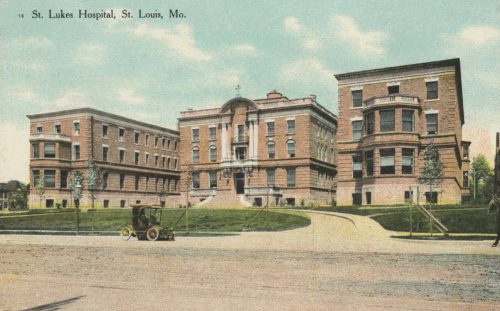
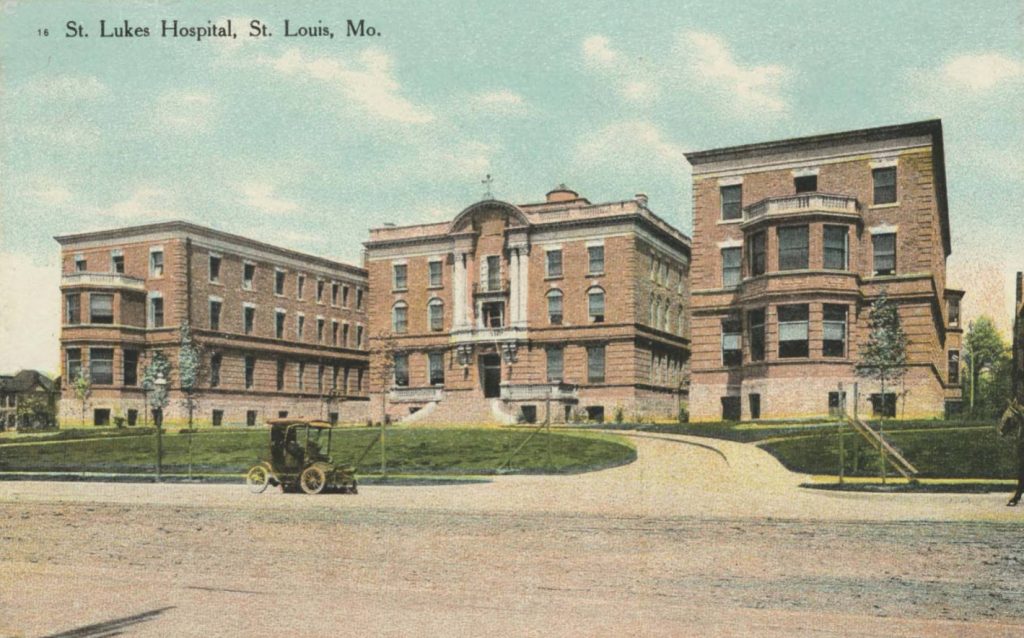
Though still operating her private practice, she was active at several medical facilities in St. Louis during her career, including St. Luke’s Hospital and Bethesda Hospital. When her father died in 1898, she donated a large portion of his estate to Bethesda Hospital. A 1905 newspaper article estimated that McLean’s private practice made as much as $10,000 a year (more than $350,000 today).
Louisiana Purchase Exposition
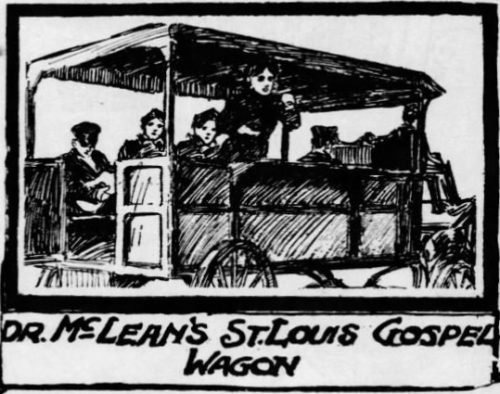
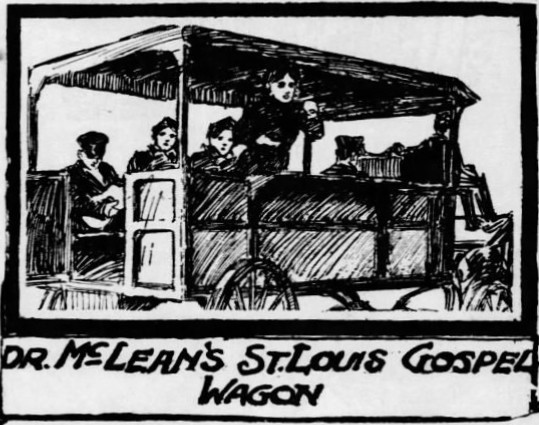
Beyond her dedication to her patients, McLean also held strong ties to the Presbyterian Church. Interested in religious education and medical care in Asia, she gave some of her time to missionary work. Though unable to travel much due to illness, she nevertheless worked with the China Inland Mission Society to teach religious education and administer health care in Japan, China, and the Philippines. In St. Louis, she also became concerned that fewer people were attending church. To address this, she created a “gospel wagon” that traveled around the city carrying a choir, ministers, and an organ to bring religious services to people who did not attend church.
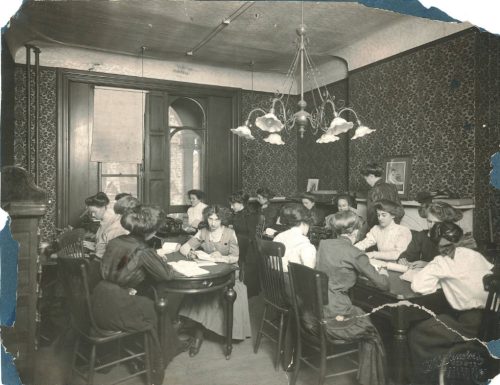
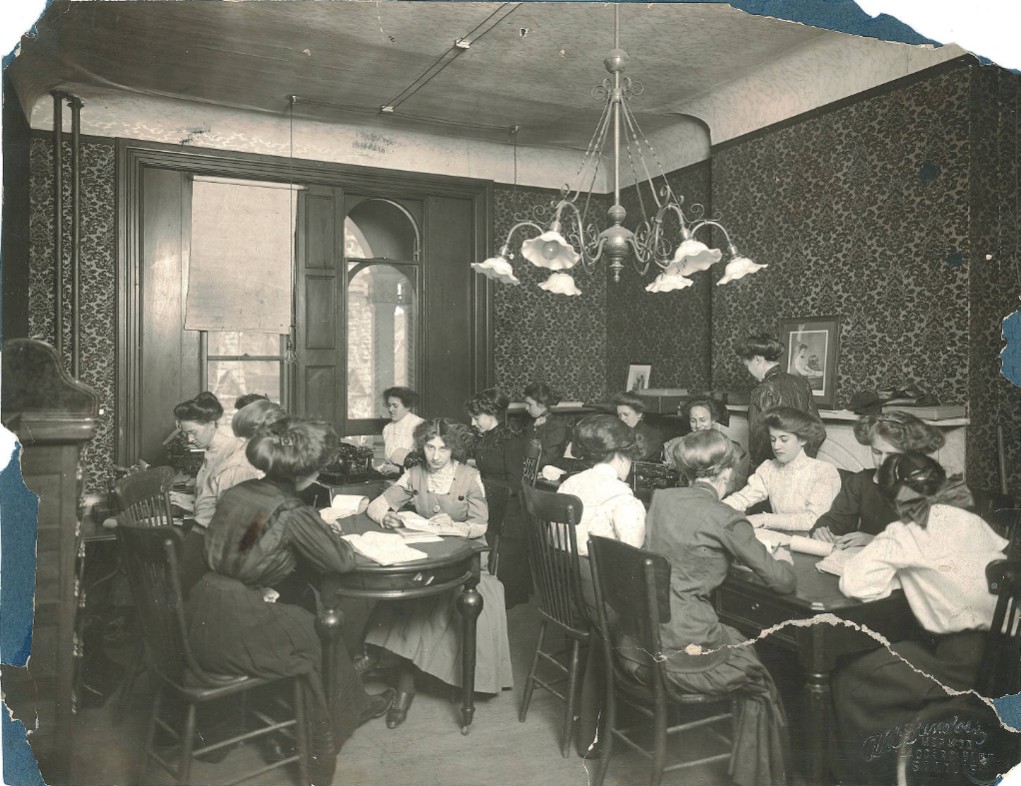
When the Louisiana Purchase Exposition, more commonly known as the St. Louis World’s Fair, opened in the city in 1904, she grew concerned about the large crowds—some estimates place the total attendance at twenty million—that came to the fair. She frequently visited the fairgrounds to lecture on morals and lead religious services. She also turned her attention to young women who came to the city to find work during the World’s Fair but often became the victims of robbery and violence. To address this, she sponsored the Emmaus Home for Girls, a facility where working women could stay during their time in the city. When the World’s Fair closed, the Emmaus Home for Girls became the St. Louis metropolitan branch of the Young Women’s Christian Association (YWCA), which focused on health care and education for women.
Legacy
Following the Louisiana Purchase Exposition, McLean continued to focus on women’s health care for the next two decades. In addition to her membership in the St. Louis Medical Society, she was also admitted as a fellow of the American College of Surgeons. She remained an active physician until 1928, when a wrist injury left her unable to perform surgeries. She still continued to see patients until a few months before her death on May 17, 1930. A tireless advocate for women in health care, Dr. Mary Hancock McLean opened the door for many women to serve as doctors, even though it would still be many years until women were allowed full access to all fields in the medical profession.
Text and research by Sean Rost
References and Resources
For more information about Mary Hanock McLean’s life and career, see the following resources:
Society Resources
The following is a selected list of books, articles, and manuscripts about Mary Hancock McLean in the research centers of The State Historical Society of Missouri. The Society’s call numbers follow the citations in brackets.
Articles from the Newspaper Collection
- Blesi, Sue. “Franklin County Woman Was a Medical Pioneer.” Washington Missourian. March 6, 2013. p. 4S.
- “Dr. Mary McLean Dies at the Age of 69 Years.” Washington Citizen. May 23, 1930. p. 8.
- “St. Louis Woman Physician Gives Up $10,000 Practice to Become Missionary.” St. Louis Post-Dispatch Sunday Magazine. March 26, 1905. p. 5.
- “Women Doctors.” St. Louis Post-Dispatch. January 26, 1890. p. 17.
- Caldwell, Dorothy. Missouri Women in Public Life: In Commemoration of the United Nation’s International Women’s Year ’75 and the Nation’s Bicentennial Anniversary. Columbia, MO: Stephens College, 1975. [REF F508 C127]
- “Dr. Mary Hancock McLean.” Missouri Historical Review 64, no. 3 (April 1970).
- Johnson, Mrs. Charles P., ed. Notable Women of St. Louis, 1914. St. Louis: Woodward, 1914. [REF H235.18 J63]
- Young Women’s Christian Association Metro St. Louis Records (S0343)
The YWCA collection covers the organization’s activities from its inception in 1904 to the late 1970s. The constitution and bylaws, along with revisions and complete financial records, are included. The St. Louis YWCA was divided into several branches, including a segregated club for Black girls, and each of these groups is represented in the records, which include documentation on programs, summer camps, and clubs maintained by the various branches. The collection also includes a record of programs for which the YWCA shared responsibility with similar organizations, such as the USO, American Red Cross, and the YMCA.
Outside Resources
These links will take you outside the Society’s website. The Society is not responsible for the content of the following websites:
- Michigan Medicine
This website is hosted by the University of Michigan and features a biography of Dr. Mary Hancock McLean.
- The Bulletin of the Missouri Historical Society
This website is hosted by Washington University and features a reprint of Marion Hunt, “Woman’s Place in Medicine: The Career of Dr. Mary Hancock McLean,” Bulletin of the Missouri Historical Society 36, no. 4 (July 1980): 255–63. - Washington University
This website is hosted by Washington University and features a biography of Dr. Mary Hancock McLean.