
Alberta Northcutt Ellis
Introduction
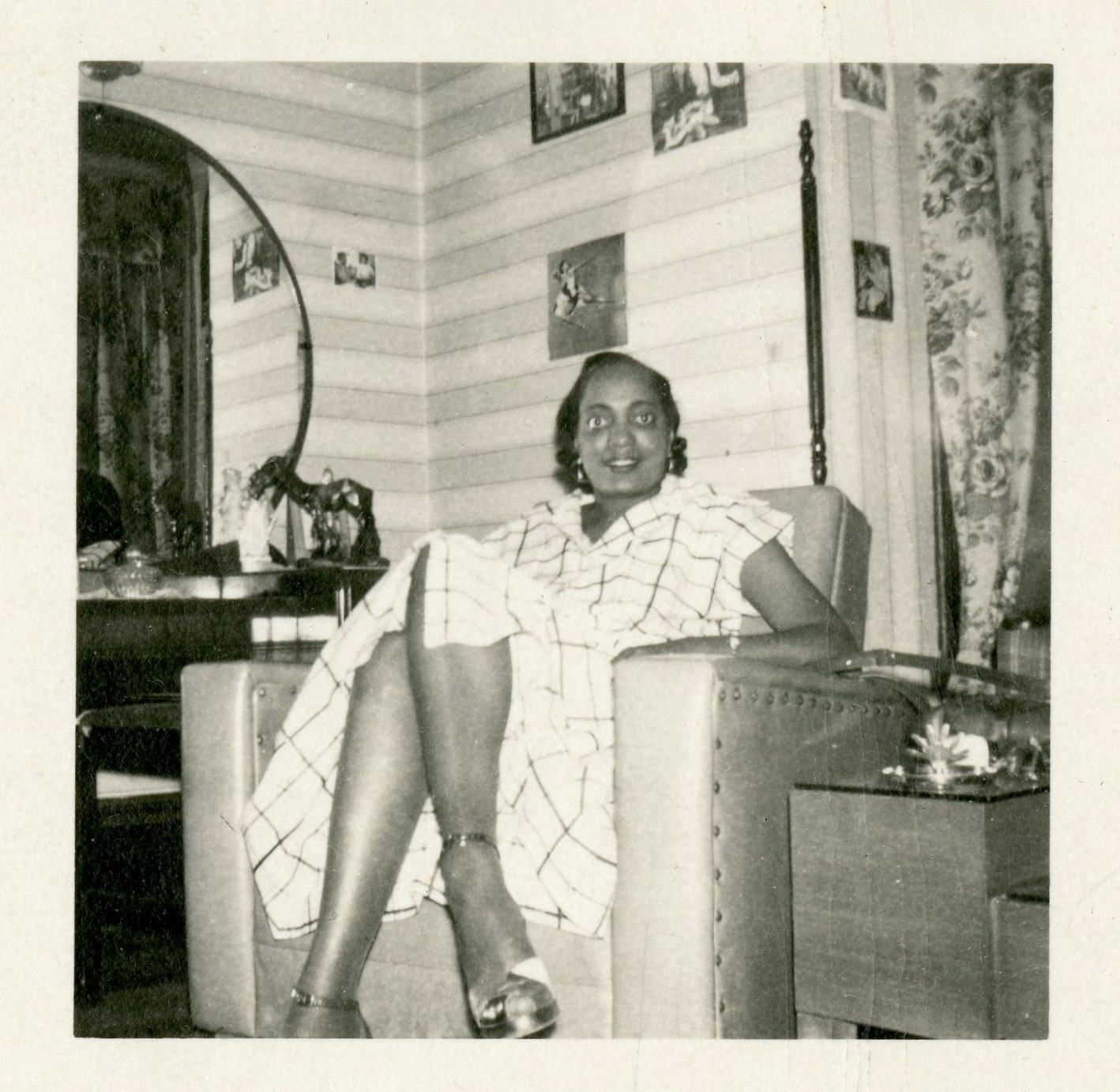
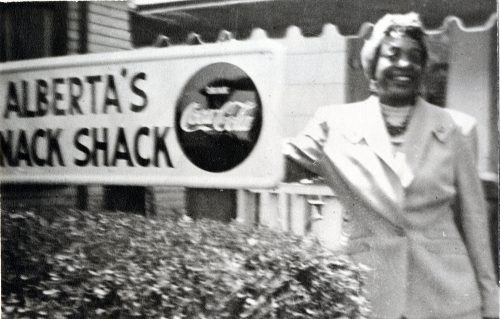
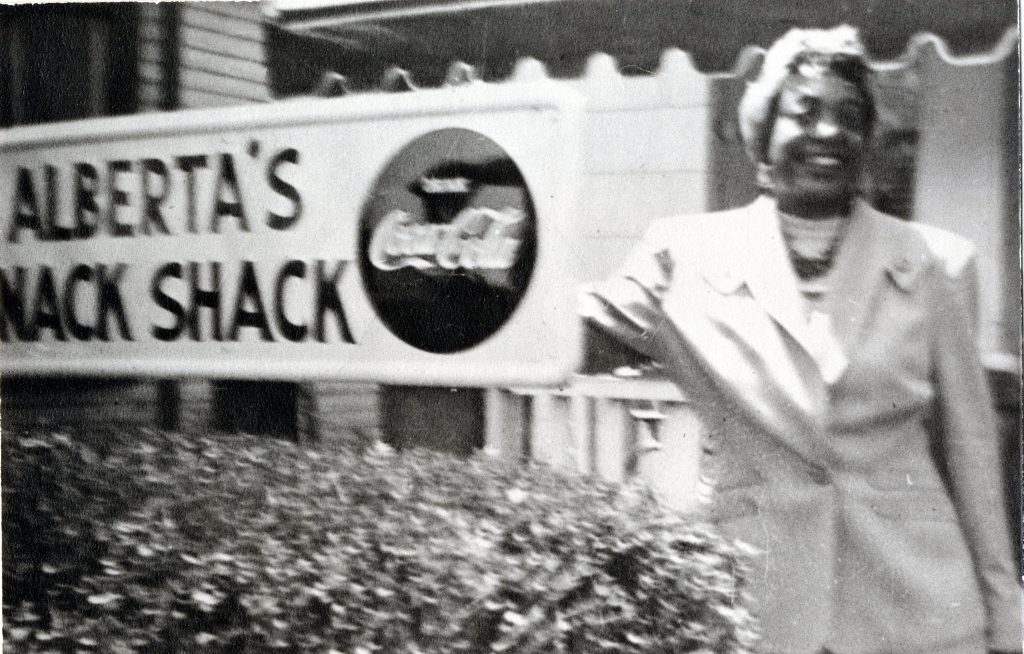
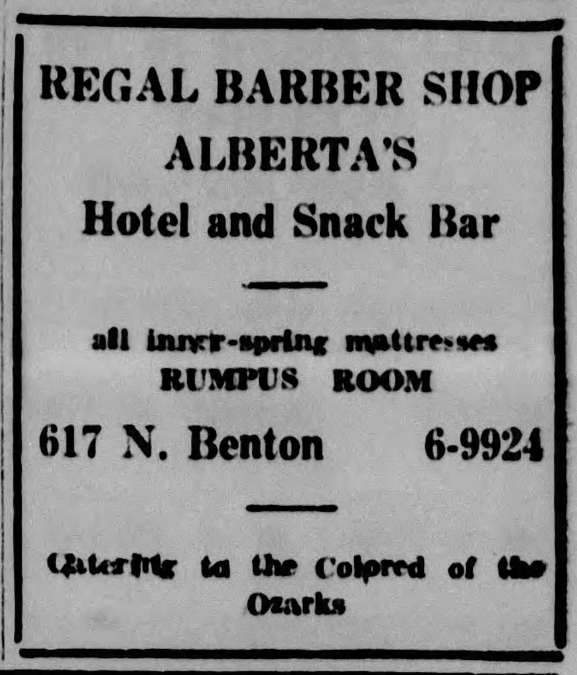
Alberta Ellis was born Margie Alberta Northcutt on December 27, 1909, to Ora Crittenden and Clarence Northcutt in Springfield, Missouri. She owned and operated Alberta’s Hotel and Snack Bar, The Farm, and Bert and Bob’s “Crystal Lounge,” serving African American travelers near and along historic Route 66. Her life is a story of strength, service, and what it took to offer dignity to Black travelers during segregation. Alberta’s Hotel stood as a vital refuge along Route 66, one of the few welcoming stops for African Americans traveling the famous highway during the Jim Crow era.
Early Life
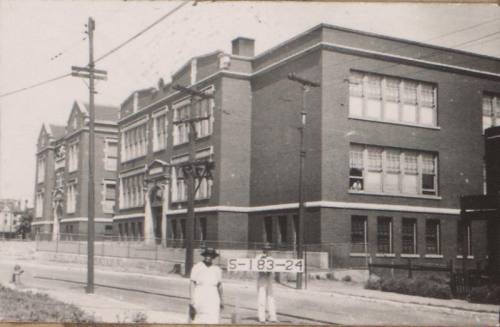
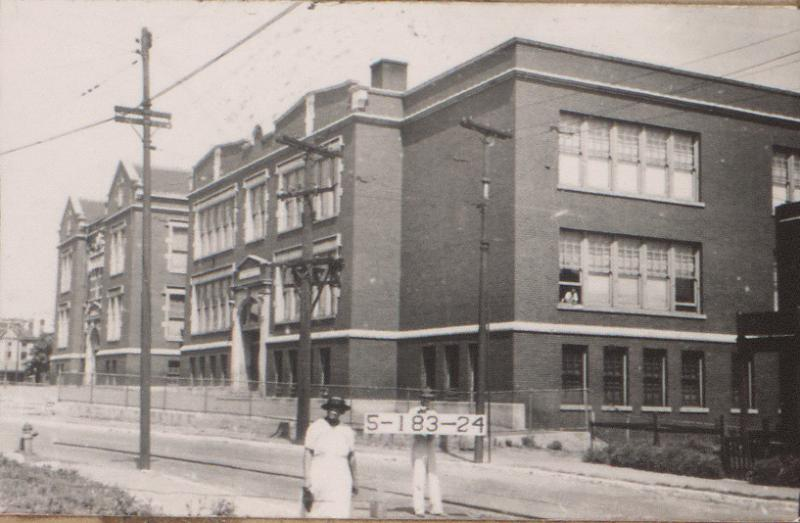
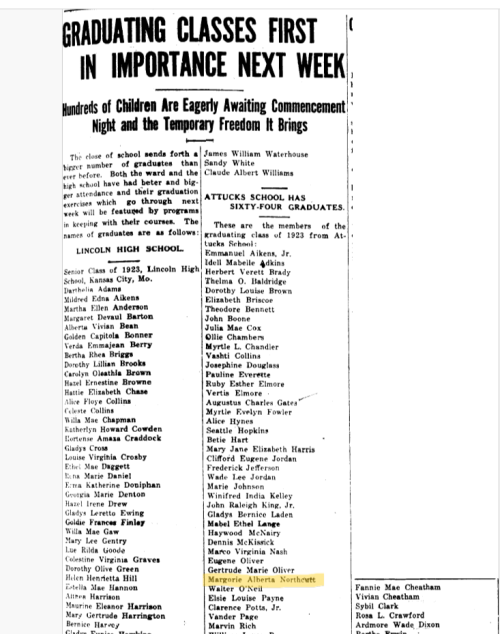
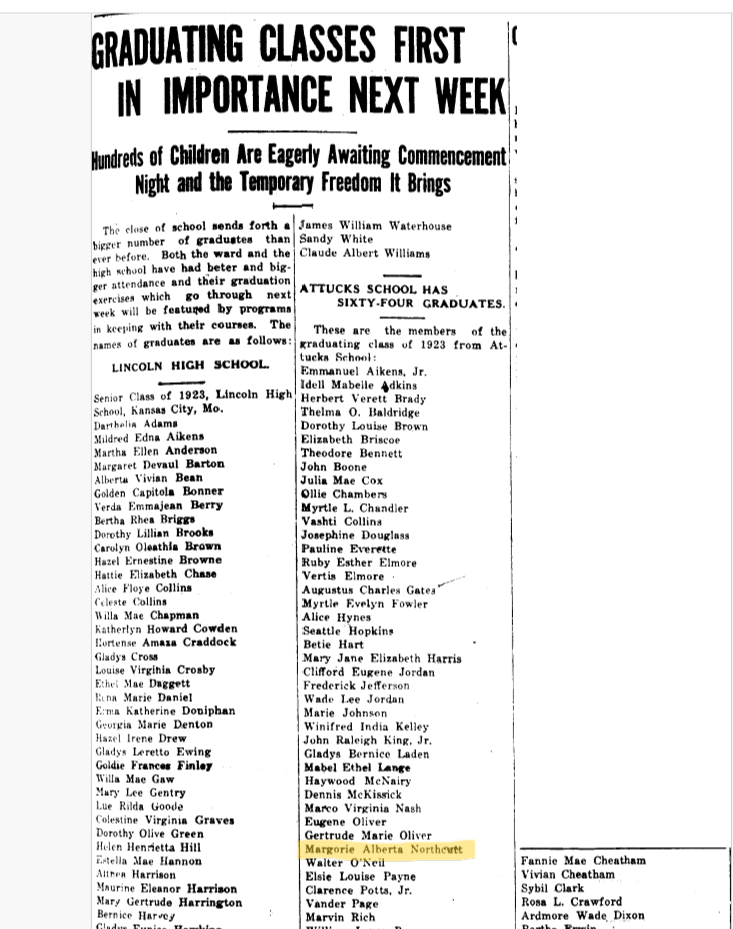
Little is known about Alberta’s early years. As a child, she moved with her family from Springfield to Kansas City, Missouri, where she graduated from the segregated Attucks School in 1923. There, she would have learned reading, writing, math, and practical skills like sewing and cooking. She attended high school, likely Lincoln High School, a name commonly used for segregated Black schools in both Kansas City and Springfield.
As with many Black girls of her generation, Alberta’s learning went beyond the classroom. She likely helped with household chores such as cooking and cleaning, and may have cared for younger or elderly family members. These daily experiences taught her the values of hard work, care, and hospitality, which later prepared her to run a business serving Black travelers.
Early Career
Alberta married Fred Watkins and welcomed her only child, Ora Elizabeth Watkins, lovingly called “Cricket,” in 1926. By 1930, however, she had separated from her husband and was living in Springfield with her daughter in a rented home on North Sherman Street. Like many Black women of her generation, she faced the challenges of raising a child while also finding work in a segregated job market with limited opportunities.
According to her employment records, Alberta worked in other people’s homes during the 1930s and 1940s, taking on roles that required significant responsibility and skill in managing household operations. By 1940, she was again using her birth name, Alberta Northcutt, and was living with her daughter, mother, and grandmother. This four-generation household offered stability, support, and a sense of belonging. Extended families like Alberta’s were central to Black communities, as family members leaned on one another to endure, adapt, and thrive.
This work was demanding and did not pay well. However, it taught Alberta to pay close attention to detail and to remain strong during difficult times. These years of cleaning, cooking, washing laundry, and caring for others sharpened the skills she would later use as a business owner.
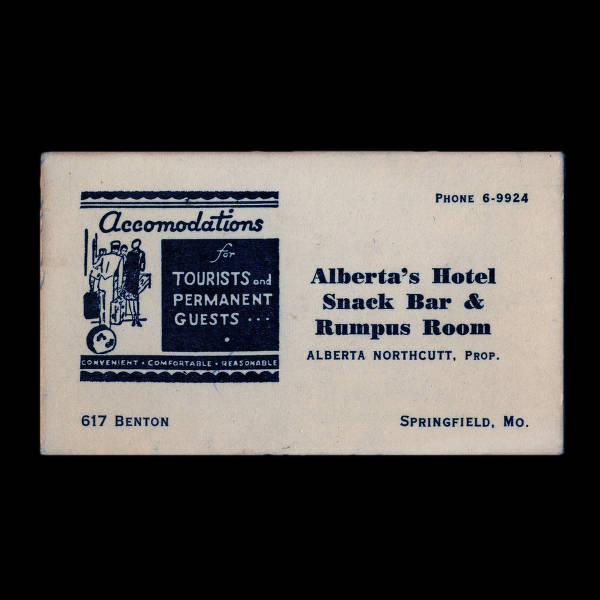
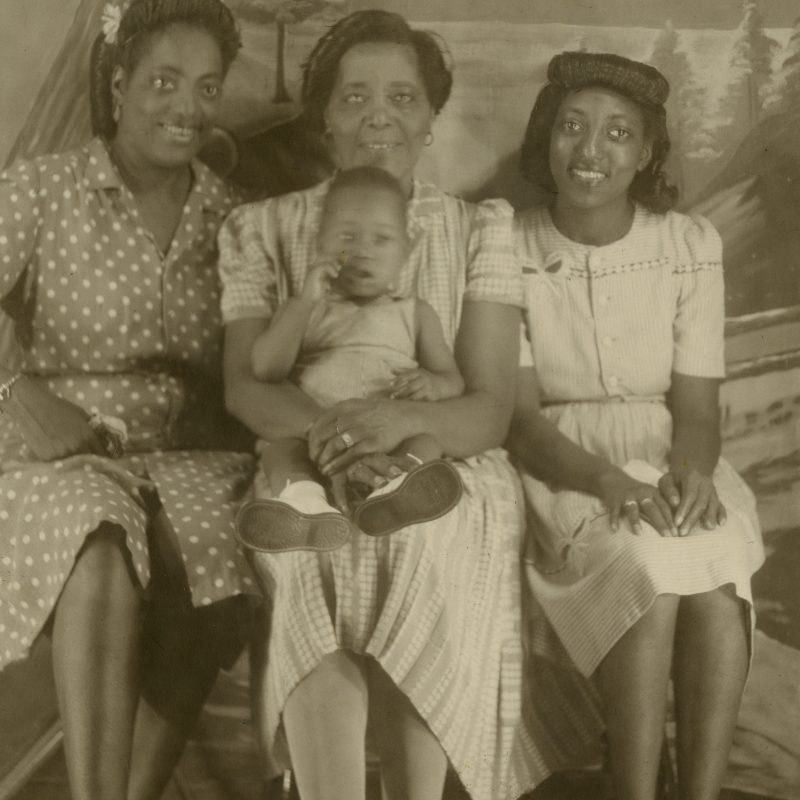
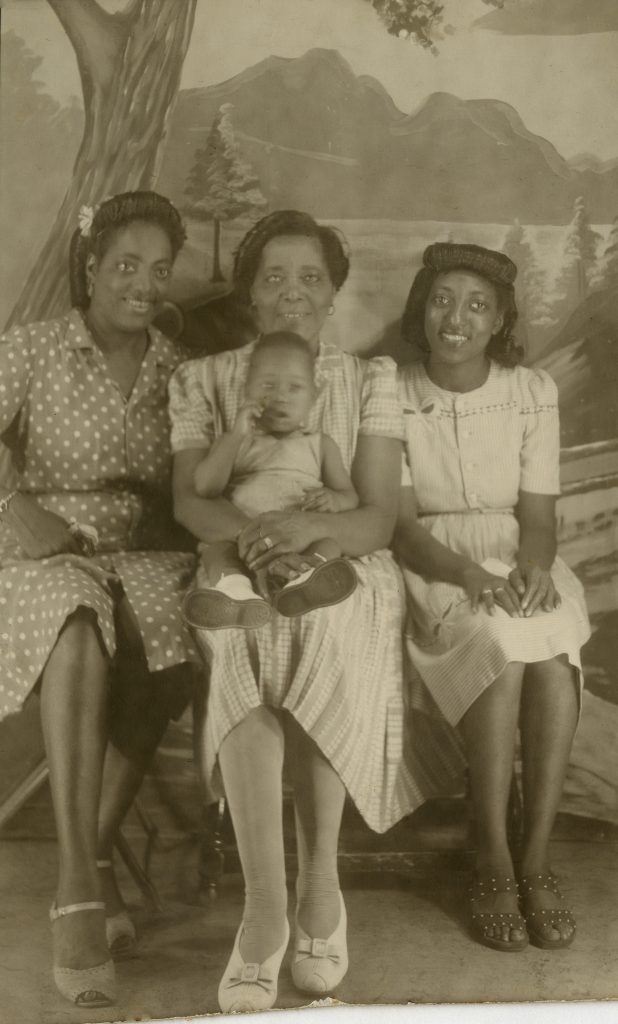
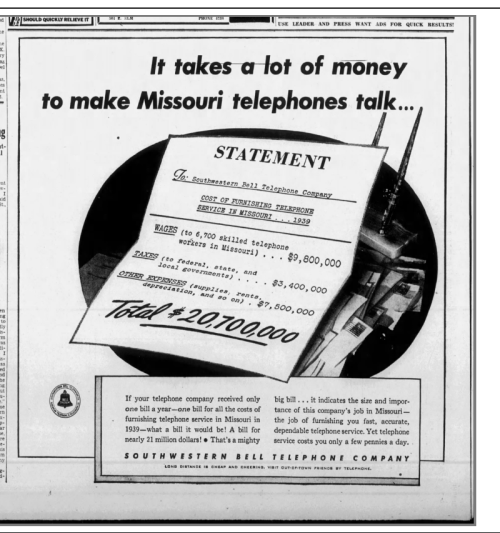
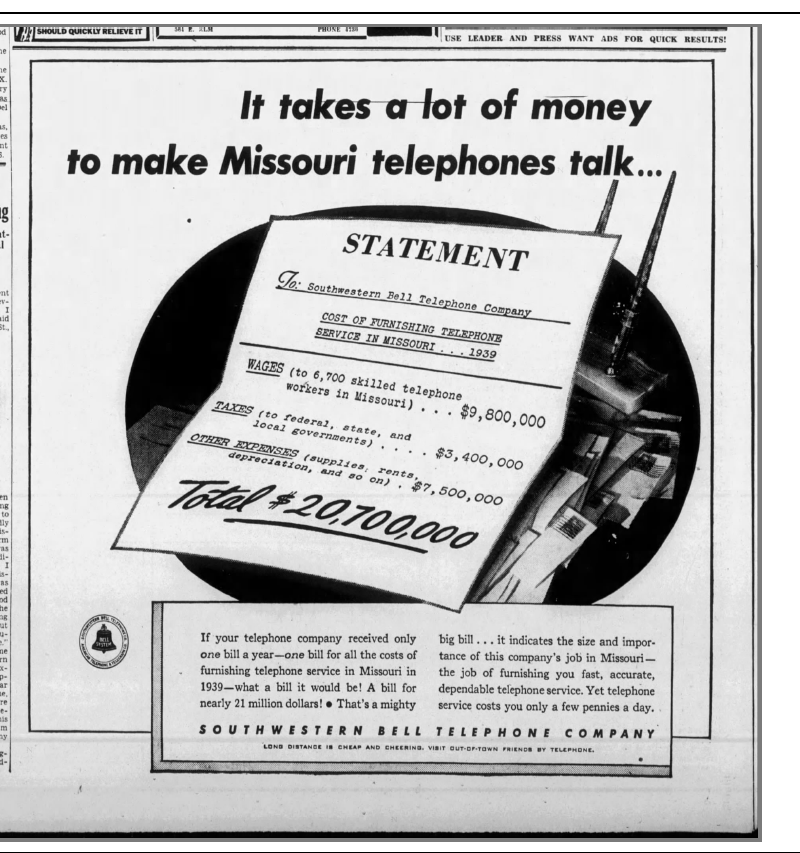
By the late 1940s, Alberta was working at the Southwestern Bell Telephone Company. This work paid more and offered better hours and benefits than her earlier work in other people’s homes.
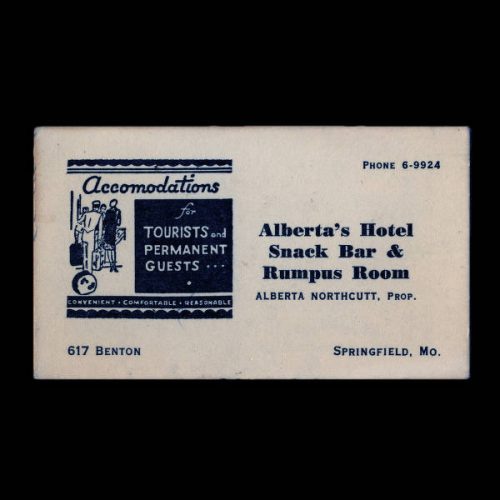
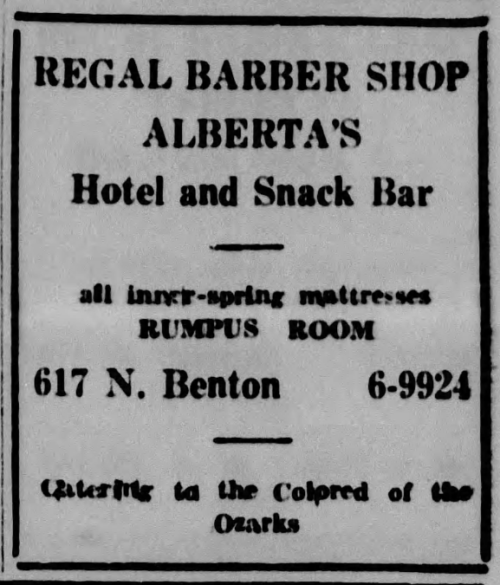
For the first time, Alberta’s job brought her a measure of financial success. With money she saved from her steady paychecks, she purchased the former City Hospital in Springfield, which was no longer in use, and transformed it into Alberta’s Hotel and Snack Bar in 1953.
Alberta’s was the only full-service hotel in town that welcomed Black travelers in the early 1950s. Her years of household work had prepared her well to run a hotel. She drew on what she had learned in other people’s homes to serve her customers in her own business.
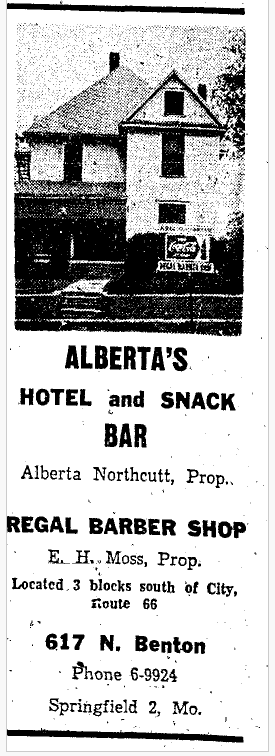
A Home on the Road
Because segregation limited where Black travelers could stay, Alberta’s Hotel became more than just a place to spend the night. It was a gathering spot where people from many walks of life, including doctors, soldiers, musicians, and athletes, could meet and feel safe. At a time when the outside world often shut them out, Black travelers and communities created spaces built on shared experiences, respect, and care for one another. Businesses like Alberta’s Hotel played an important role in helping those communities connect and grow.
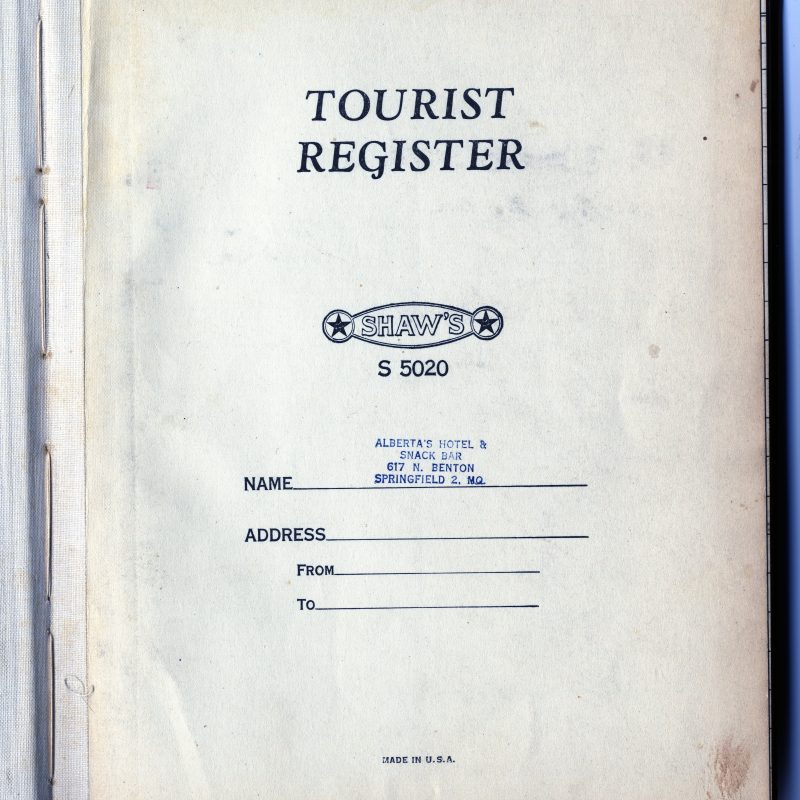

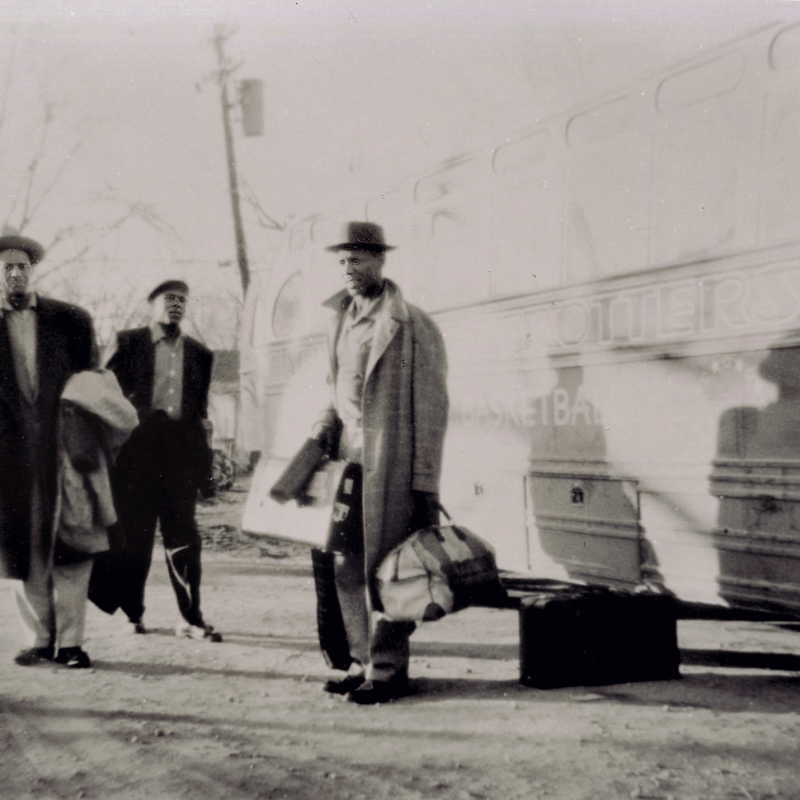
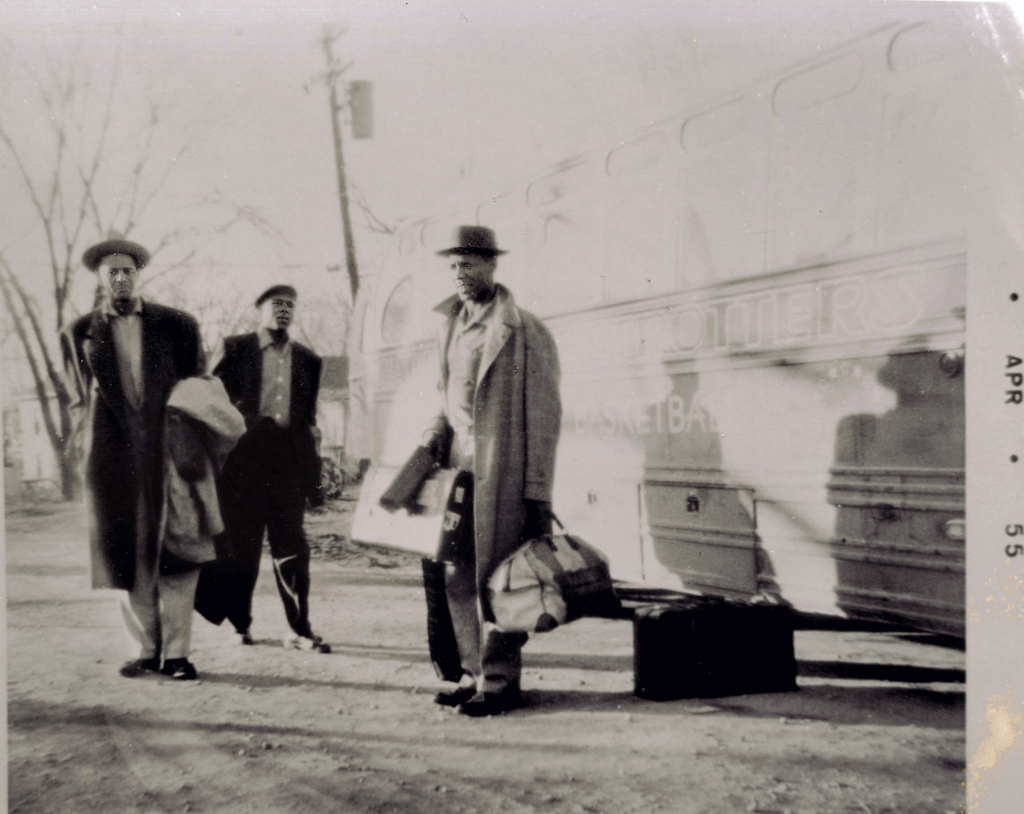
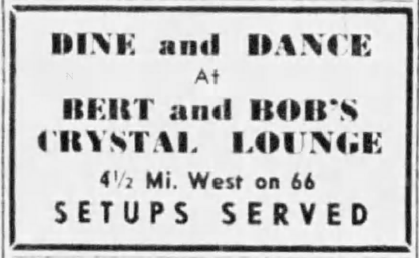
Alberta’s Hotel and her second location, The Farm, located about ten miles west of Springfield just off Route 66, thrived at a time when segregation made it difficult for Black travelers to find places to rest, eat, or enjoy entertainment. After marrying Robert Ellis, her second husband, Alberta also operated Bert and Bob’s “Crystal Lounge,” a popular club offering music, dancing, and a welcoming space for Black travelers and local residents alike.
Her businesses did well during the 1950s and into the 1960s. However, as legal segregation ended in the mid-1960s, Black travelers could no longer be denied service at white-owned hotels or restaurants. While this was an important victory for civil rights, businesses that had served Black customers began to struggle as those customers gained access to more options. This was also the case for Alberta’s businesses.
Legacy
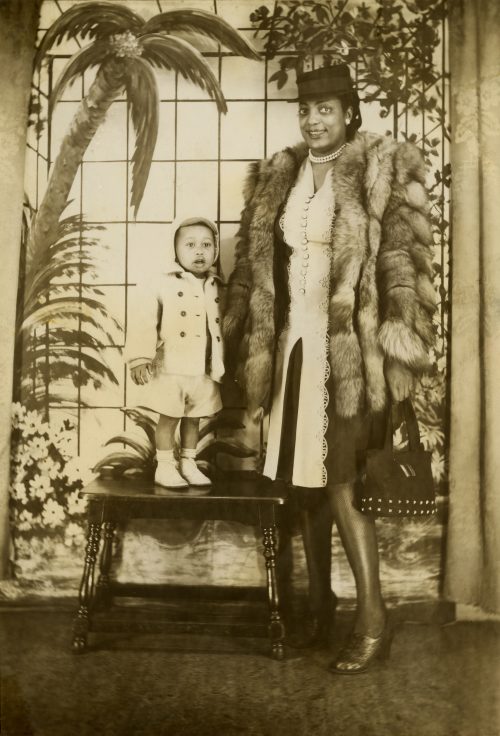
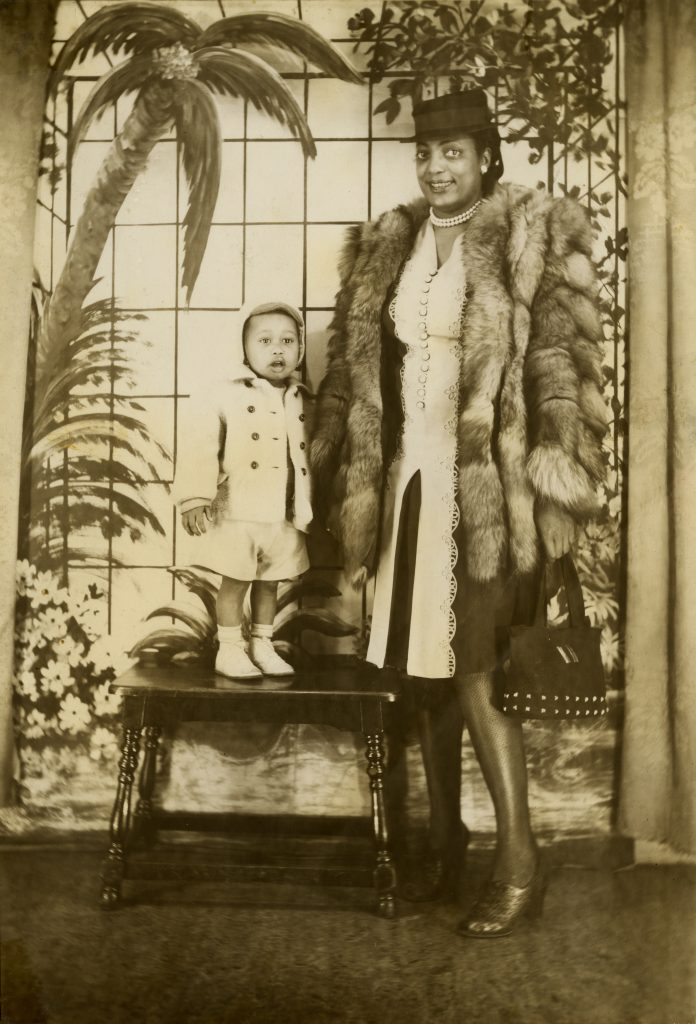
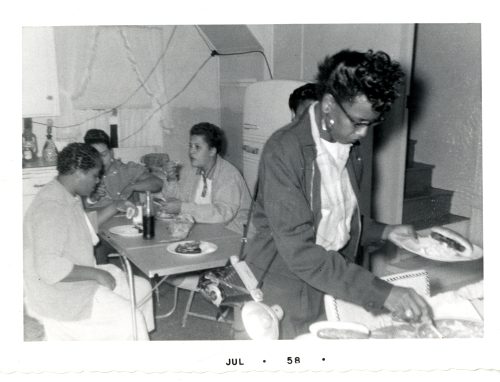
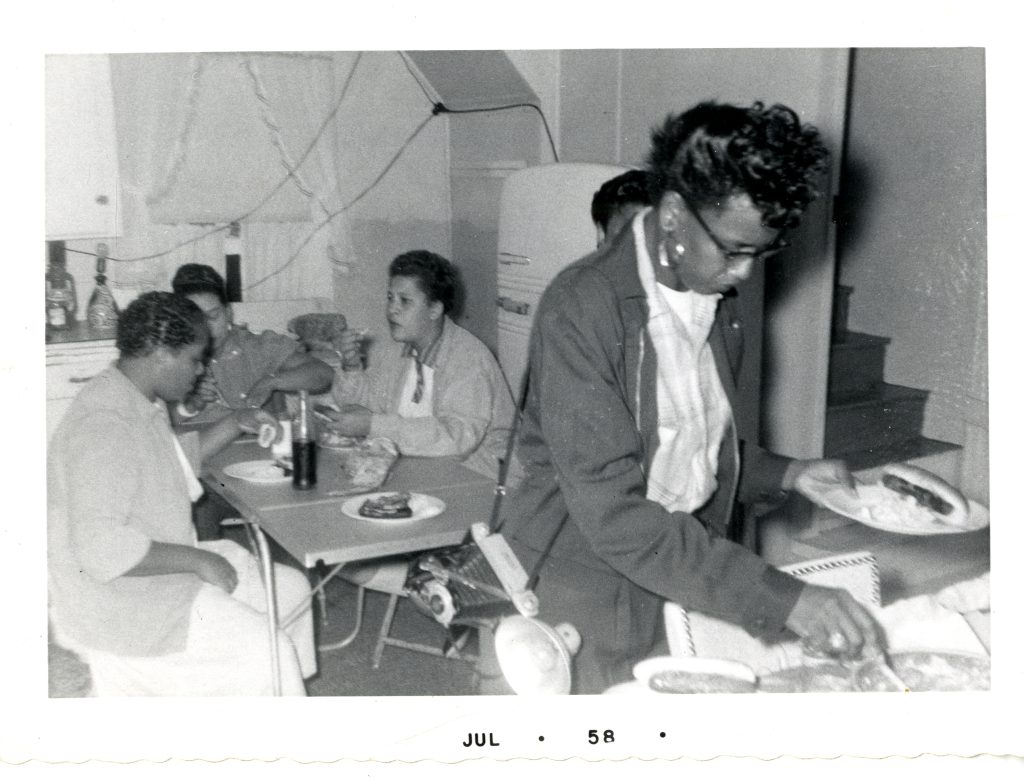
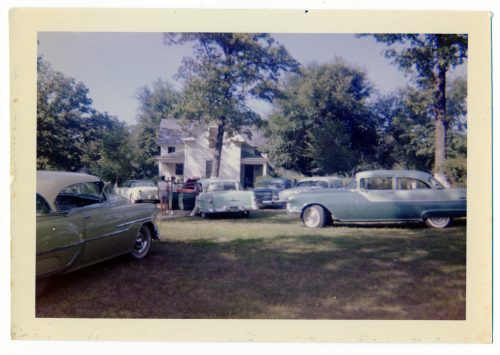
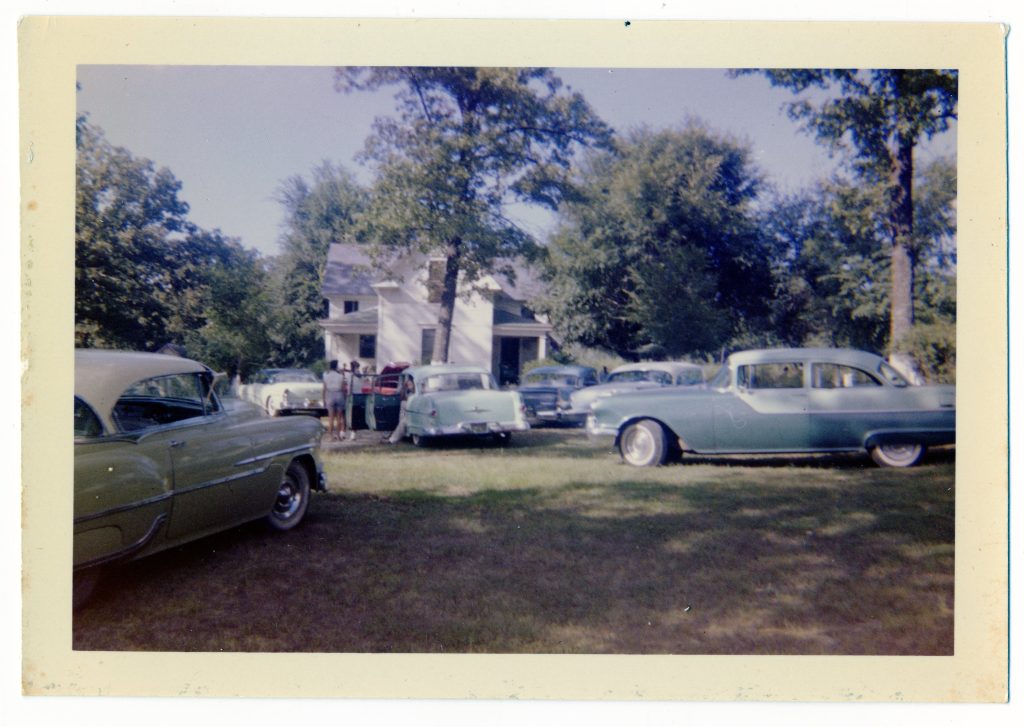
Alberta Northcutt Ellis died on July 19, 1966, but her legacy lives on in Springfield, across Missouri, and beyond. For over a decade, Alberta’s Hotel and Snack Bar offered more than food and lodging—it provided dignity, safety, and welcome to Black travelers who were often denied those basic rights. From 1954 to 1966, her hotel was listed in The Negro Motorist Green Book, a travel guide that helped African Americans safely navigate the country during segregation.
From ordinary working people to well-known guests, visitors found rest and respect under Alberta’s roof. Alberta used her tools—hard work, kindness, and determination—to build something powerful in a time of injustice. She transformed her experience working in other people’s homes into a career as a business owner, and her hotel became a symbol of community strength and self-reliance.
The Civil Rights Act of 1964 changed how Black travelers moved through the country. For the first time, travel services like hotels and restaurants were legally required to serve everyone, regardless of race. As legal segregation ended, many Black families began to use previously restricted spaces, and the demand for separate Black-owned establishments declined. For Alberta, this shift likely marked a turning point in her work. Still, her hotel, snack shop, The Farm, and Bert and Bob’s Lounge are remembered as symbols of care, long after the businesses themselves are gone.
Today, researchers and community members continue to share Alberta’s story as part of Missouri’s African American history and the legacy of Route 66. Her life shows how everyday actions rooted in care and purpose can make a lasting difference in others’ lives.
Text and research by Bridget D. Haney
References and Resources
For more information about Alberta Ellis’s life and career, see the following resources:
SHSMO Resources
The following list of resources is available in the research centers of The State Historical Society of Missouri.
Articles from the Newspaper Collection
- “Councill agreed to give special consideration.” Springfield Leader and Press, January 6, 1953, p.2.
- “Graduating Classes First in Importance Next Week.” Kansas City Call, June 1, 1923, p.8.
- “Half-Finished.” Springfield Leader and Press, July 14, 1952, p.2.
- “Springfield, Mo.” Kansas City Call, August 6, 1954, p.17.
- African American Heritage in the Ozarks Collection, 2021-2023 (SP0078)
- The African American Heritage in the Ozarks Collection is made up of recorded interviews, written copies of those interviews, and photographs. These materials were gathered by the State Historical Society of Missouri during a special project from 2021 to 2022.
- Dark, Harris Edward. Springfield, Missouri: Forty Years of Growth and Progress, 1945-1985. Edited by Phyllis Betty Dark. Springfield, MO: Dark Printing Company, 1986. [H268.47 D158s]
Outside Resources
- Logan Family Collection. Missouri State University Special Collections and Archives, Springfield, Missouri.
- Missouri Valley Special Collections, Kansas City Public Library, Kansas City, Missouri.