
Tina Turner


Introduction
Tina Turner was a singer, songwriter, and rock icon who redefined what it meant to command a stage. Her raspy, powerhouse voice and magnetic presence captivated audiences globally, pouring raw emotion into every note. Dubbed the “Queen of Rock ‘n’ Roll,” Tina Turner broke barriers and inspired generations with her fearless style, relentless energy, and timeless sound.
Early Years
Tina Turner was born Anna Mae Bullock on November 26, 1939, in Brownsville, Tennessee. She was the youngest daughter of Floyd “Richard” Bullock and Zelma Priscilla Currie. Anna Mae grew up in Nutbush, a small town, where
Her childhood was not easy. Though she claimed years later that they were “well-to-do farmers,” her family had little money, and her parents often argued. Music became her escape. She loved singing in the Spring Hill Baptist Church choir, where she first realized how much she loved performing before an audience. Her family moved a lot due to her father frequently changing jobs, and Anna Mae was often sent to live with relatives. This made her feel like her parents did not love her. As a teenager, she moved to St. Louis, Missouri, with her mother after her parents split up. She soon discovered the city’s lively music scene filled with exciting new sounds like rhythm and blues. That music lit a spark in her and helped her dream of something more.

Education
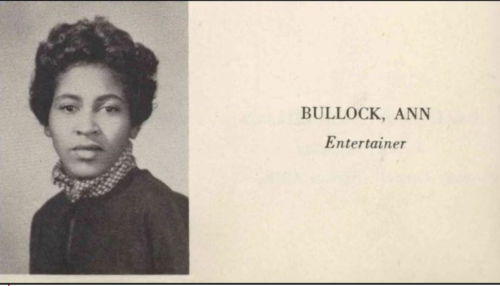
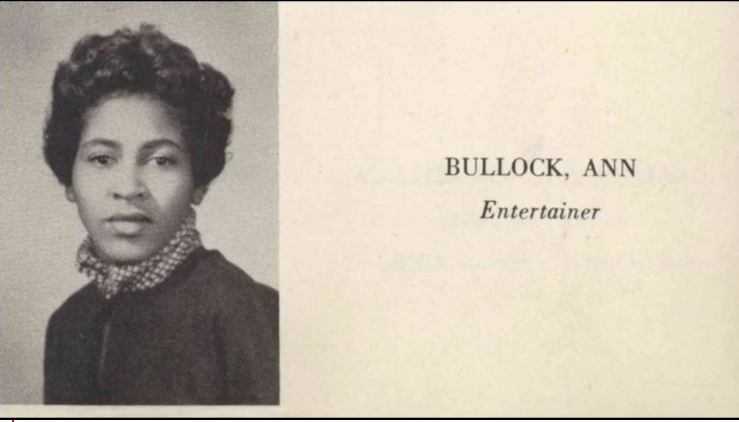
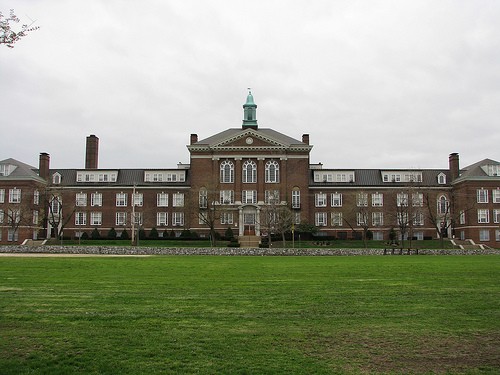
In St. Louis, Anna Mae Bullock—who often went by Ann—attended Sumner High School. Although the Supreme Court ruled school segregation illegal in Brown v. Board of Education in 1954, most Black students in the city still attended segregated schools. Sumner was one of only two public high schools that Black students could attend. She lived with her mother and older sister, Ruby “Alline” Bullock, in The Ville, a lively Black neighborhood known for its strong sense of community and rich cultural life.
Ike and Tina Turner Revue & Early Career
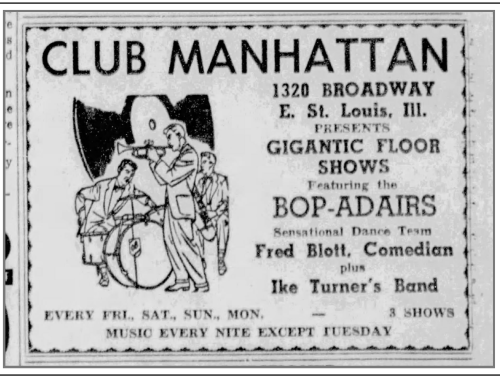
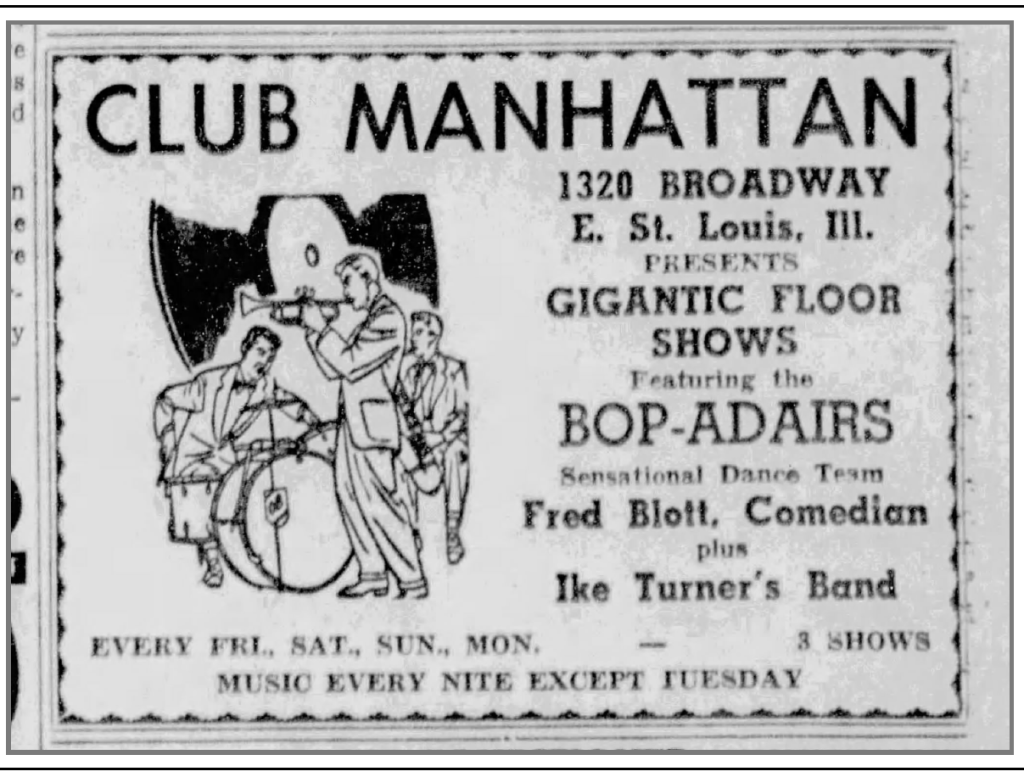
After school, Ann often explored the music scene in St. Louis, spending time at clubs where her older sister worked. Just across the Mississippi River in East St. Louis, Illinois, she visited popular music spots like Club Manhattan. One night she saw Ike Turner and his band, the Kings of Rhythm, perform on stage. She asked to sing with Turner and his band, but he did not let her. Ann kept trying, however, and during intermission at another performance, she grabbed the microphone and sang a blues ballad. When Ike heard her sing, he was amazed by her powerful voice and invited her to perform with the band. He helped Ann learn how to perform on stage.
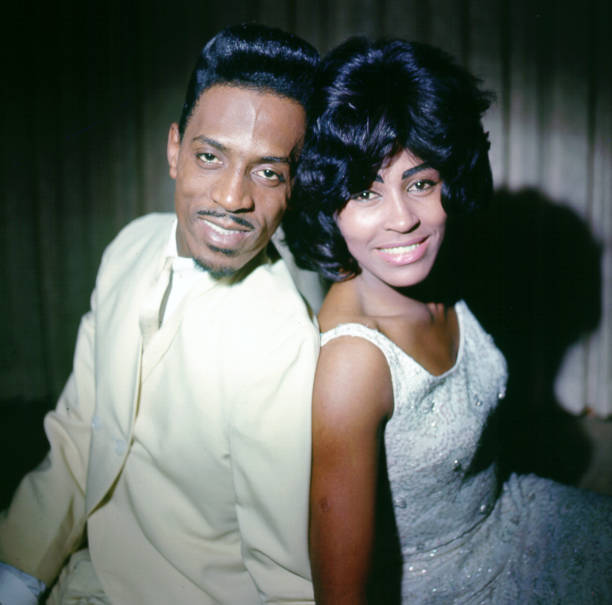
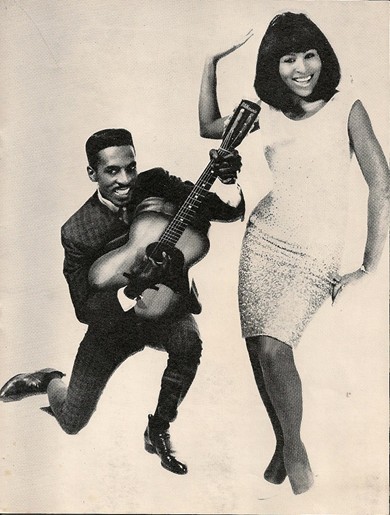
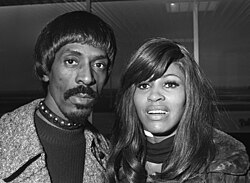
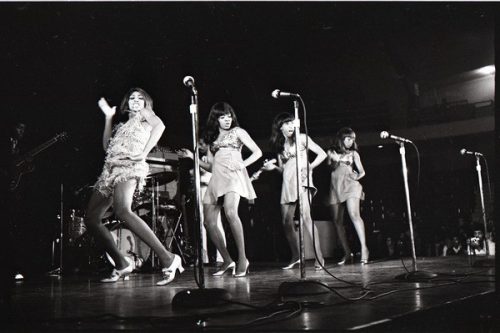
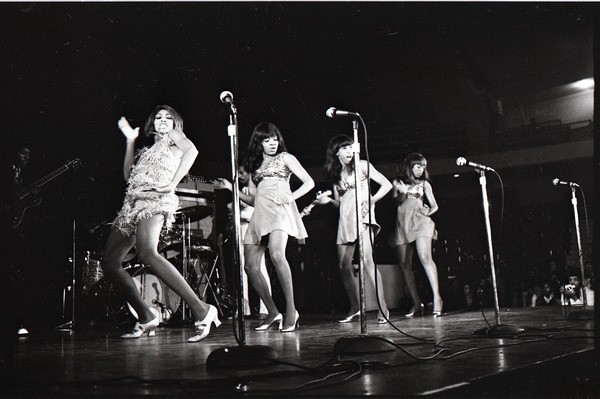
After she graduated from high school in 1958, Ann’s role in the band grew. In 1960, Ike gave her a new stage name—Tina Turner—and soon renamed the group the Ike & Tina Turner Revue. Their shows were fast-paced, exciting, and full of energy. Fans loved watching them perform together.


Fame and Sucess in the 1960s-70s
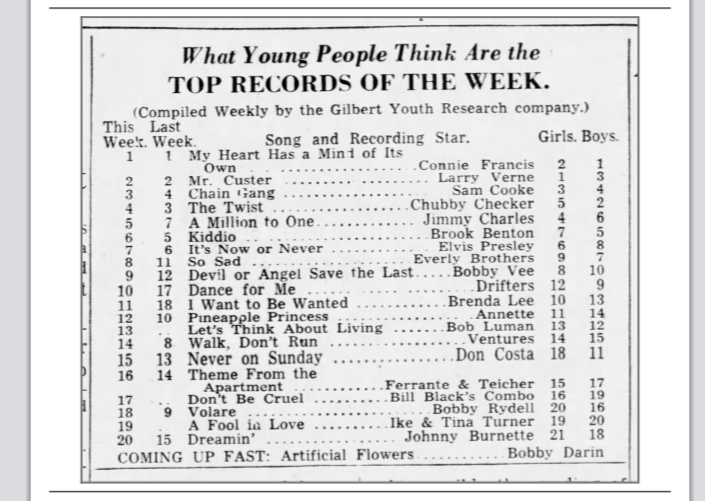
The couple hit the big time in 1960. Ike wrote the song “A Fool in Love” for the group’s lead singer, Art Lassiter, but after Lassiter failed to record it, Tina sang her version. A studio executive from Sue Records heard the recording and offered $25,000 for the rights to the song. “A Fool in Love” reached number 27 on the Billboard Hot 100 and number 2 on the Hot R&B chart. It was the first of many singles that made her a popular musical act.
In the 1960s and 1970s, Ike and Tina Turner became one of the most popular live acts in the world. Ike and Tina married in 1962, but they toured constantly, even with a blended family of four young children at home: Craig, Ronnie, Ike Jr., and Michael. Turner cared deeply about her children and wanted to protect them, but the demands of performing meant she was often away. Later in life, she spoke honestly about the challenges of motherhood and the pain of losing her sons Craig and Ronnie, who died in 2018 and 2022. Still, she always carried pride and love for her children and the strength they gave her.
Leaving Ike and Starting Over
In 1976, Tina Turner left her marriage and professional partnership with Ike Turner. Ike struggled with drug addiction and frequently abused Tina, beating her and hitting her. He was very possessive and tried to control her finances. She said that when she left him, she had just thirty-six cents and a credit card. But Tina later remembered, “When I walked out, I didn’t look back.” It took courage to divorce Ike, but her decision to leave him and share her story helped other survivors of domestic violence leave their own abusive relationships. It also helped spark public conversations about abuse. She told her story through her book I, Tina: My Life Story and a movie, What’s Love Got to Do With It? The Triumphant True-Life Story of Tina Turner, which was based on her book.
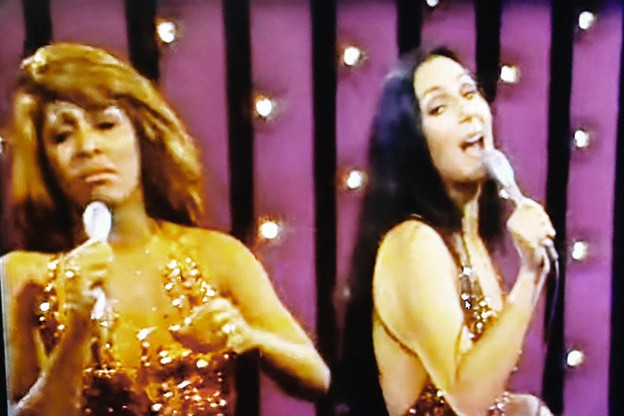
In leaving Ike, Turner kept very little besides the stage name she had made famous. To pay the bills, she made frequent television appearances and performed in many places, even on small stages. Refusing to work with Ike again, she became a solo act. By leaning into the popularity she had built during her early years and continuing to perform, she slowly rebuilt her career on her own terms.
While it took time for Tina Turner to find success again in the United States, she remained popular in Europe, where fans and music promoters continued to support her. That international success helped set the stage for her big comeback. In 1984, she released Private Dancer, a rock-inspired solo album that put her back at the top of the music charts. The album sold millions of copies and won three Grammy Awards in 1985. The hit single “What’s Love Got to Do With It” became her most successful song, winning song of the year at the Grammys, and helped to introduce her to a new generation of fans.
That same year, Turner appeared in the movie Mad Max Beyond Thunderdome, playing the character Aunty Entity. At forty-five years old, she held her own on screen—a rare opportunity at the time for a Black woman over forty. Her performance showed that her talents went beyond music.




Later Years and Legacy

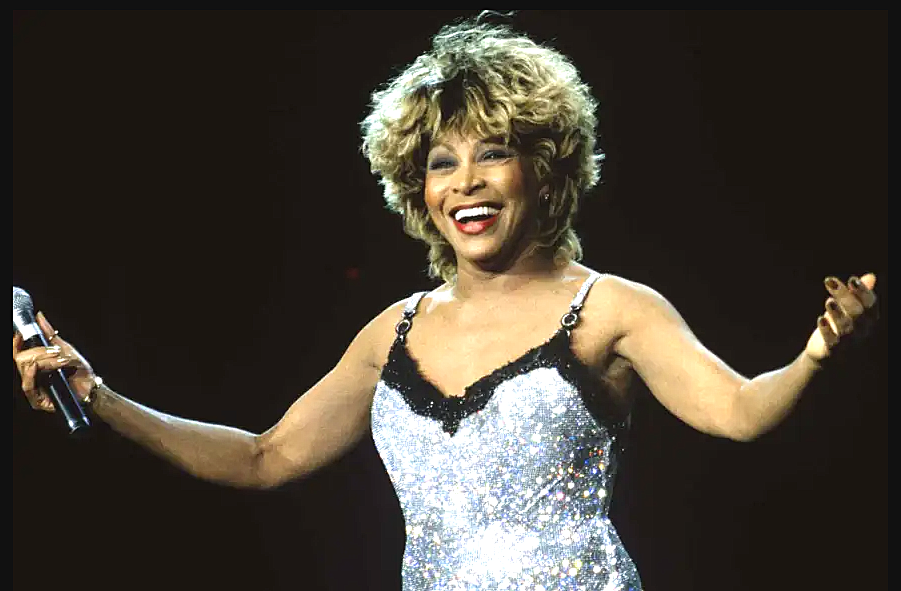
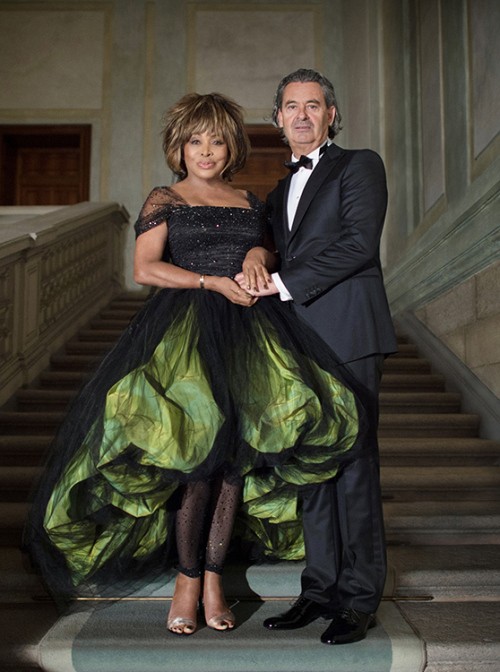
By the late 1980s, Tina Turner had reclaimed her career and found personal happiness. She released new albums in 1989, 1996, and 1999, and went on tour to perform the songs. In 1986 she met Erwin Bach, a German music executive, and began a long relationship with him that led to marriage in 2013. Their bond gave her the support and kindness she had not experienced in her earlier marriage. She moved to live with Bach in Europe and became a Swiss citizen. She embraced a more private life as she battled health issues.
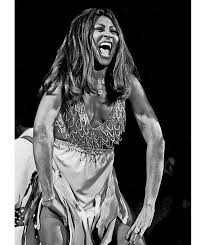
Her story came full circle in 2008 when she chose to start her Tina! 50th Anniversary Tour in Kansas City, Missouri. Launching her final tour in the same state where she first began performing was meaningful to her. By then in her late sixties, she took the stage as a global icon, performing with the same energy and showmanship that had defined her for decades.
When Tina Turner passed away on May 24, 2023, at the age of eight-three, tributes poured in from around the world. She broke barriers with the Ike and Turner Revue as a Black woman in rock, found success again as a chart-topping solo act, and inspired generations with her voice, strength, and courage. Her legacy lives on in her music, her performances, and the example she set for others.
Text and research by Bridget D. Haney
References and Resources
For more information about Tina Turner’s life and career, see the following resources:
SHSMO Resources
The following list of resources is available in the research centers of The State Historical Society of Missouri. The Society’s call numbers follow the citations in brackets.
Articles from the Newspaper Collection
- Fearn, Charles A. “Local Clubs of the Week.” St Louis Argus, July 15, 1955, p.9.
- “Song Team Hits Pay Dirt Via Records.” The Call, February 17, 1961, p. 8.
- “What Young People Think Are the Top Records of the Week.” Kansas City Star, October 29, 1960, p. 8.
- “And the nominees are…” Kansas City Star, January 4, 1985, p. 6B
- Gutierrez, Lisa. “The ‘mind-boggling’ night Tina Turner launched her last concert tour in Kansas City.” Kansas City Star, May 24, 2023.
- The St. Louis Blues Musicians Research Collection (S0546)
- The St. Louis Blues Musicians Research Collection is a group of papers about blues musicians who started their music careers in St. Louis, Missouri. The collection includes copies of newspaper stories and magazine articles about these musicians.
- The Ville Collection, 1975-1990, (S0497)
- The Ville, which was first called Elleardsville, was a neighborhood in northwest St. Louis where many African American families lived. Before schools and neighborhoods were integrated, many Black teachers, doctors, writers, and community leaders made their homes there.
- Maroon and White. Sumner High School Yearbook, 1958. [H235.851 Su66]
- Olson, Bruce R. That St. Louis Thing: An American Story of Roots, Rhythm and Race. Vol. 1. Morrisville, NC: Lulu Publishing Services 2016. [H235.871 OL8]
- Early, Gerald, ed. Ain’t But a Place: An Anthology of African American Writings about St. Louis. St. Louis: Missouri Historical Society Press, 1998. [H235.52 Ea76]
Outside Resources
- Carson, R. Sarah. “Sumner High School.” Clio: Your Guide to History. April 16, 2015.
- GAB Archive. Ike and Tina Turner. Photograph. January 1, 1965. Editorial #85356628. Getty Images.
- “The Sonny & Cher Show, Season 2, Episode 33.” 1977. CBS. Video, 50:33. Posted by Gabe Crawford, October 2024. YouTube.
- Turner, Tina. My Love Story: A Memoir. New York: Atria Books, 2018.
- Missouri Historical Society Library & Research Center, St. Louis, Missouri
- National Blues Museum, St. Louis, Missouri.