
![Wing Yin "David" Leong (right) poses for a photograph with his wife, Shau, and son, Ling, at the 25th anniversary of Leong's Tea House, 1988. [Springfield News-Leader, October 23, 1988, p. 1C.]](https://historicmissourians.shsmo.org/wp-content/uploads/2025/12/Leong-Family2-300x350.jpg "Leong Family2")
Wing Yin "David" Leong
Introduction
Wing Yin “David” Leong was a chef and restaurant owner in Springfield, Missouri. Born in China, Leong came to the United States as a young man and established a successful restaurant in Springfield that revolutionized Missouri-based cuisine. He invented a popular Chinese American dish known as Springfield-style cashew chicken.
Early Life
Wing Yin Leong was born in Guangzhou, China, on August 18, 1920. Due to famine and other economic issues, his father and grandfather went to the United States to find work but returned to China. When Leong was growing up, his father was a farmer, and his mother took care of the family. Leong’s school education reached only about the level of sixth grade.
Coming to America
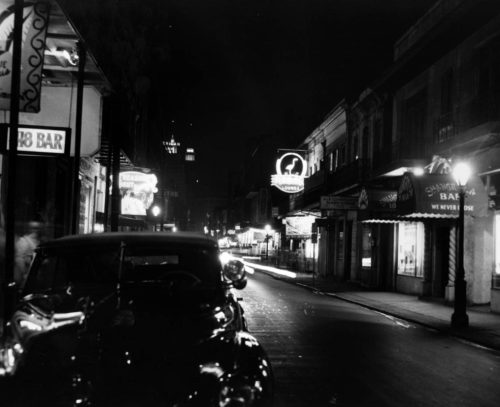
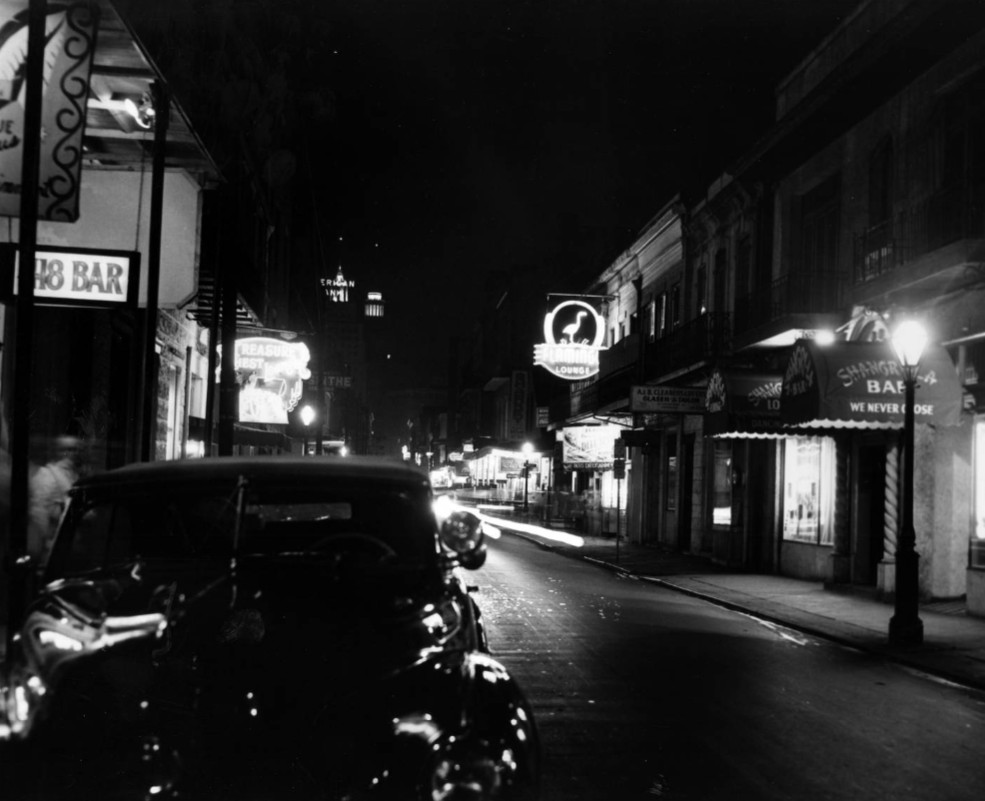
During the late 1930s, China was invaded by Japan, and Guangzhou and the region around it were occupied by the Japanese army. Life for Chinese citizens under the Japanese became very difficult. Leong decided to immigrate to the United States, following a similar path as his father and grandfather. To do so, however, he had to leave his family, which by then included his wife, Shau Ngor Wong Leong. Despite laws that restricted Chinese immigration to the United States, Leong was let in due to his family’s previous work in the country. He left Hong Kong in 1940 and crossed the Pacific Ocean by ship to Seattle, Washington. From there, he moved to New Orleans, Louisiana, where he had relatives. He got a job in a local restaurant, where he worked very long hours for little pay.
World War II
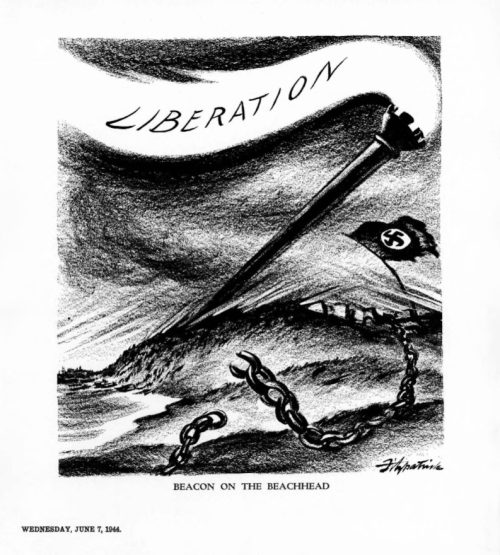
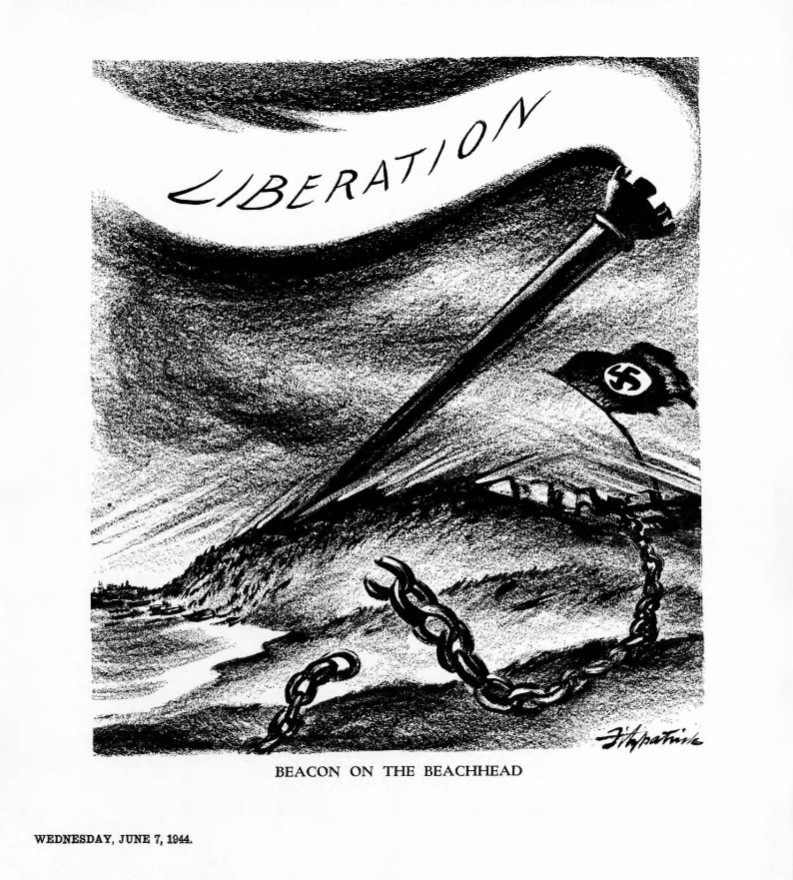
Following the Japanese attack on Pearl Harbor, Hawaii, in 1941, the United States went to war, and Leong left his restaurant job to join the army. After completing basic training at Camp Lee, Virginia, he was sent to England. While stationed overseas, Leong endured mistreatment and racial discrimination from some of his fellow soldiers until their sergeant put a stop to it. After being assigned to kitchen duty, Leong earned a reputation as a skilled cook. Even so, he still saw combat as part of the fourth wave of troops that landed on the beaches of Normandy, France, during D-Day when Allied forces fought to free France from Nazi Germany. Leong later remembered, “I did not know if I was going to make it.” He returned to the United States after World War II in Europe ended on May 8, 1945.
Springfield
After the war, Leong returned to New Orleans and opened his own restaurant, Blue Wing. Due to racial discrimination, however, he moved around the United States seeking better working opportunities. He also briefly returned to China to reunite with his family. With the easing of restrictions on Chinese immigration to the United States, Leong was able to bring his entire family to America.
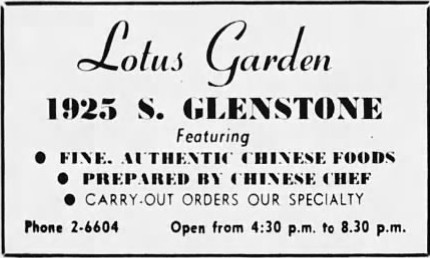
It was a chance encounter in 1955 between David Leong and Dr. John L. K. Tsang that altered the course of the young chef’s life. On vacation in Pensacola, Florida, Tsang stopped at a restaurant where Leong had taken a job in the kitchen. Impressed by the food served, Tsang asked Leong if he would be interested in working for a restaurant called Lotus Garden in Springfield, Missouri. Leong accepted and moved his family to Missouri.
Leong's Tea House
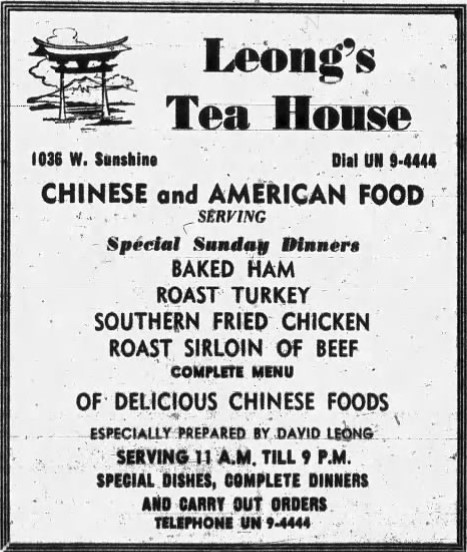
David Leong’s time at Lotus Garden was brief due to the restaurant’s financial struggles. Nevertheless, his food developed a popular following in town, and Springfield businessman Bill Grove convinced him to work at the Grove Supper Club. Leong was soon joined by his brother, Gee Yuen Leong, and the pair managed the kitchen for several years. Despite their newfound success, David and Gee Yuen Leong grew dissatisfied with working in a restaurant that was owned by someone else. In 1963 they opened their own place, Leong’s Tea House, which specialized in American and Chinese food. The new business venture got off to a rough start, however, when vandals stole two concrete lion statues and caused minor damage by setting off dynamite outside the restaurant. The individuals who set the dynamite were never found. Gee Yuen Leong eventually opened his own restaurant, Gee’s East Wind, in 1972.
Springfield-Style Cashew Chicken
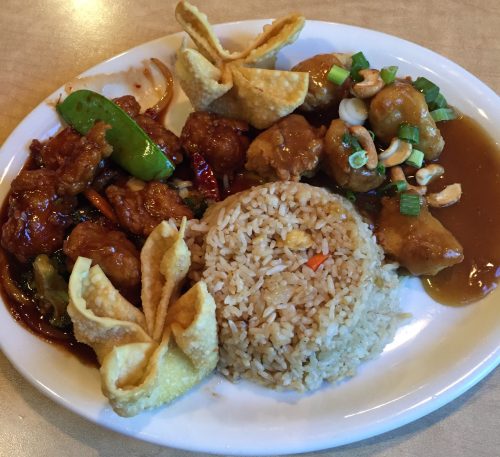
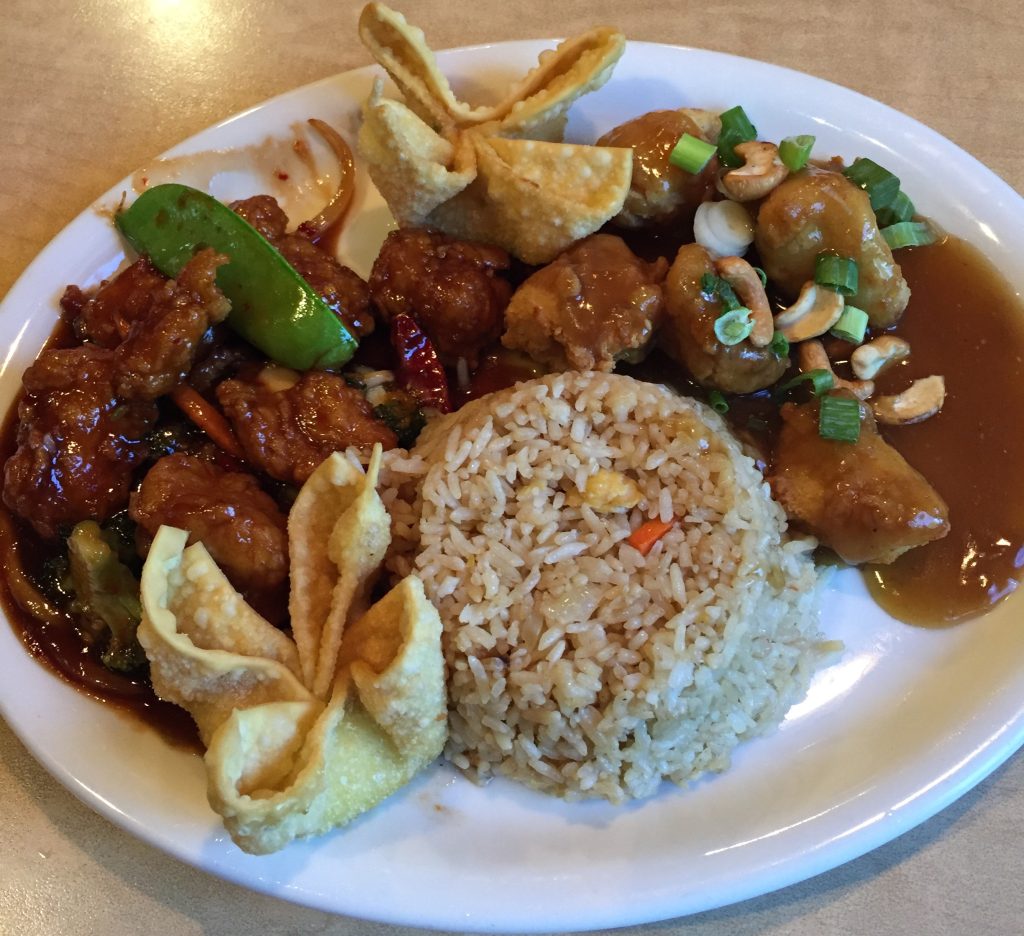
Not long after opening Leong’s Tea House, David Leong developed a new twist on traditional Chinese cooking. To convince Americans to try Chinese food, Leong invented Springfield-style cashew chicken, which quickly became a mainstay of the restaurant. In addition to cashews and brown sauce, Leong added fried chicken pieces, noting that it was more familiar to Americans than traditional Chinese stir-fry chicken. Leong’s new dish was soon being tried not only in other Springfield restaurants, but throughout the United States and the world.
Legacy
Leong’s Tea House remained a staple of the Springfield restaurant scene for more than thirty years. In addition to his contribution to Chinese American cuisine, Leong has also been credited with training and inspiring many up-and-coming chefs and others who run restaurants or work for them. Not long after the death of his wife, Leong decided to close the Tea House in 1997.
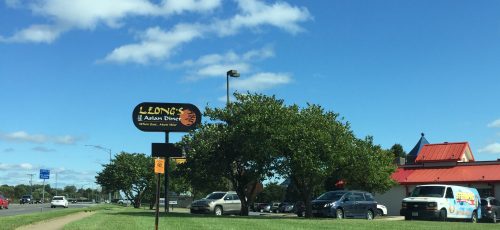
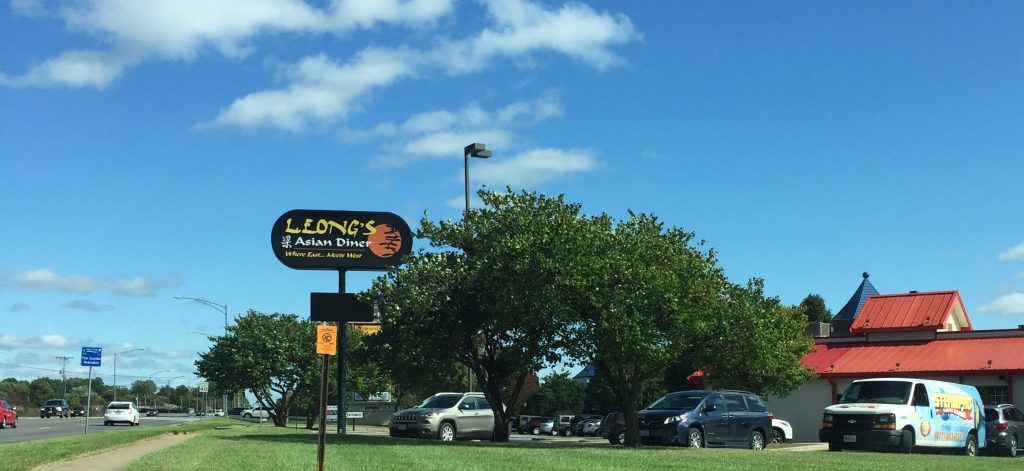
In his retirement, Leong spent time with his family and traveled. He received the Springfield Convention and Visitors Bureau Pinnacle Award and Golden Plate Award from the Springfield/Branson Chapter of the Missouri Restaurant Association. After more than a decade in retirement, Leong and his family returned to the food service industry with a new restaurant, Leong’s Asian Diner. In his final years, Leong was a regular at the restaurant, even if he wasn’t always in the kitchen. Wing Yin “David” Leong passed away on July 21, 2020.
Text and research by Sean Rost
References and Resources
For more information about Wing Yin “David” Leong’s life and career, see the following resources:
Society Resources
The following is a selected list of books, articles, and manuscripts about Wing Yin “David” Leong in the research centers of The State Historical Society of Missouri. The Society’s call numbers follow the citations in brackets.
Articles from the Newspaper Collection
- Bridges, Amos. “Cashew Chicken Satisfies Ozarkers’ Palates.” Springfield News-Leader. February 26, 2006. p. 28J.
- “Chinese-American Eating Place Planned for City.” Springfield News & Leader. May 12, 1963. p. D8.
- Culp, Karen E. “Iconic Springfield Restauranteur Dies at 78.” Springfield News-Leader. November 30, 2004. p. 1A, 4A.
- Pokin, Steve. “Leong Was a War Hero, Local Icon.” Springfield News-Leader. July 22, 2020. p. 1A, 3A.
- Pokin, Steve. “The Life of David Leong: Recipe of Success.” Springfield News-Leader. May 21, 2018. p. 1A, 6A, 7A.
- Sorie, Peg. “Chinese Foods.” Springfield News & Leader. May 1, 1977. p. C1.
- Sylvester, Ron. “Leong’s Serves Last Cashew Chicken.” Springfield News-Leader. December 31, 1997. p. 1A, 12A.
- Tatum, Bill. “It’s an Ozarks Tradition.” Springfield News-Leader. July 20, 1991. p. 1D.
- “Tea House Hit with Dynamite.” Springfield Leader-Press. November 18, 1963. p. 17.
- Whall, Louise. “Cashewing Chicken 25 Years.” Springfield News-Leader. October 23, 1988. p. 1D.
- Whitley, Chris. “Leong Concoction Gains Widespread Popularity.” Springfield Leader & Press. September 21, 1983. p. C1.
- Bridges, Amos. “Cashew Chicken Satisfies Ozarkers’ Palates.” Missouri Folklore Society Journal 29-31 (2007-2009), 73-76. [REF F586.6 M691]
- Missouri Food History Project
The Missouri Food History Project (C4393) documents the history of food production, distribution, and consumption in Missouri, as well as notable nutrition, culinary, and restaurant services involving Missourians. David Leong, Wing Yee Leong, and Wing Ling Leong participated in an oral history for the collection in 2019 (see CD 1, 2). - Photos from the Road Collection
The Photos from the Road Collection (C4389) features images taken by Sean Rost during his travels throughout the state on oral history projects and on personal time.
Outside Resources
These links will take you outside the Society’s website. The Society is not responsible for the content of the following websites:
- KCUR
This website is hosted by KCUR and features an episode from the podcast “Hungry for MO” about David Leong. - Leong’s Asian Diner
This website is hosted by Leong’s Asian Diner and features a short biography about David Leong and Springfield-style cashew chicken.